
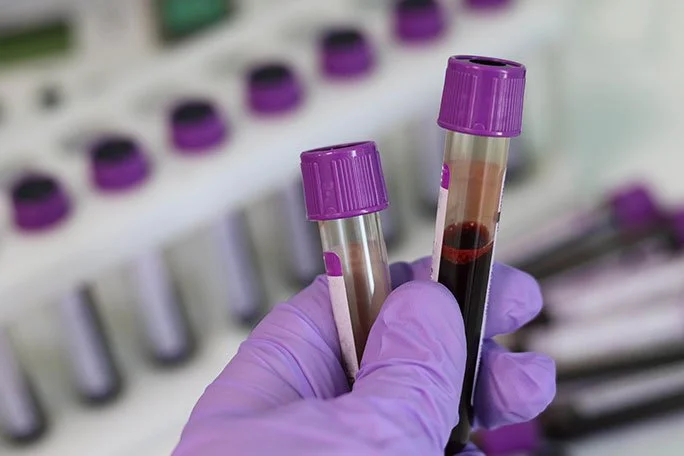
Guidelines For Handling Cytogenetic Collection Tubes
Cytogenetic testing is a crucial component of diagnosing and monitoring various genetic disorders and conditions. Cytogenetic collection tubes are specifically designed to preserve and protect the genetic material for accurate analysis. Proper handling of these tubes is essential to ensure reliable results. In this article, we will discuss some guidelines for handling cytogenetic collection tubes effectively.

Special Handling Procedures For Cytogenetic Tubes
Cytogenetic tubes are an essential tool in the field of genetics, used for collecting and preserving samples for chromosome analysis. These tubes require special handling procedures to ensure the integrity of the samples and accurate results. In this article, we will discuss the importance of proper handling of cytogenetic tubes and provide guidelines for their handling and storage.

Proper Usage Of Cytogenetic Collection Tubes
Cytogenetic collection tubes are an essential tool in the field of cytogenetics, which involves the study of chromosomes and their role in genetic disorders. Proper usage of these tubes is crucial to ensure accurate and reliable results in cytogenetic tests. In this blog post, we will discuss the importance of cytogenetic collection tubes and provide some tips on how to use them effectively.

Special Handling For Cytogenetic Collection Tubes
Cytogenetic testing is a crucial tool in diagnosing various genetic disorders and abnormalities. When collecting samples for cytogenetic testing, it is essential to use specialized collection tubes to ensure accurate results. In this blog post, we will discuss the importance of special handling for cytogenetic collection tubes and the best practices for ensuring the integrity of the samples.
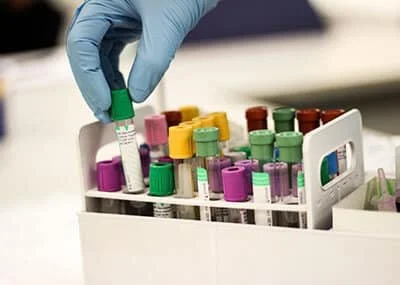
Safety Protocols During Neonatal Blood Collection.
Neonatal blood collection is a crucial procedure that is often necessary for the assessment of a newborn's health. However, due to the delicate nature of newborns, it is important to follow strict safety protocols to ensure the well-being of the baby during the procedure. In this article, we will discuss the various safety protocols that should be followed during neonatal blood collection to reduce the risk of complications and ensure the safety of the newborn.

Advances In Neonatal Blood Collection Methods
Collecting blood samples from neonates can be a challenging task due to their small size and delicate nature. However, advances in technology and techniques have made it easier and less invasive to collect blood samples from newborns. In this article, we will discuss some of the recent advances in neonatal blood collection methods and how they are benefiting both healthcare providers and patients.

Guidelines For Blood Collection In Neonatal Screening
Neonatal screening, also known as newborn screening, is a vital public health program that aims to identify infants at risk of certain genetic, metabolic, and developmental disorders early in life. Early detection through neonatal screening can lead to timely interventions and treatments that can greatly improve the health outcomes of affected infants. One of the key components of neonatal screening is blood collection, which must be done correctly to ensure accurate test results. In this article, we will discuss some important guidelines for blood collection in neonatal screening.

Risks Associated With Neonatal Blood Collection
Neonatal blood collection is a common procedure performed on newborn babies to assess their health and screen for various conditions. While the procedure is generally considered safe, there are some risks associated with it that parents should be aware of. In this article, we will discuss some of the potential risks of neonatal blood collection and how healthcare providers can minimize them.
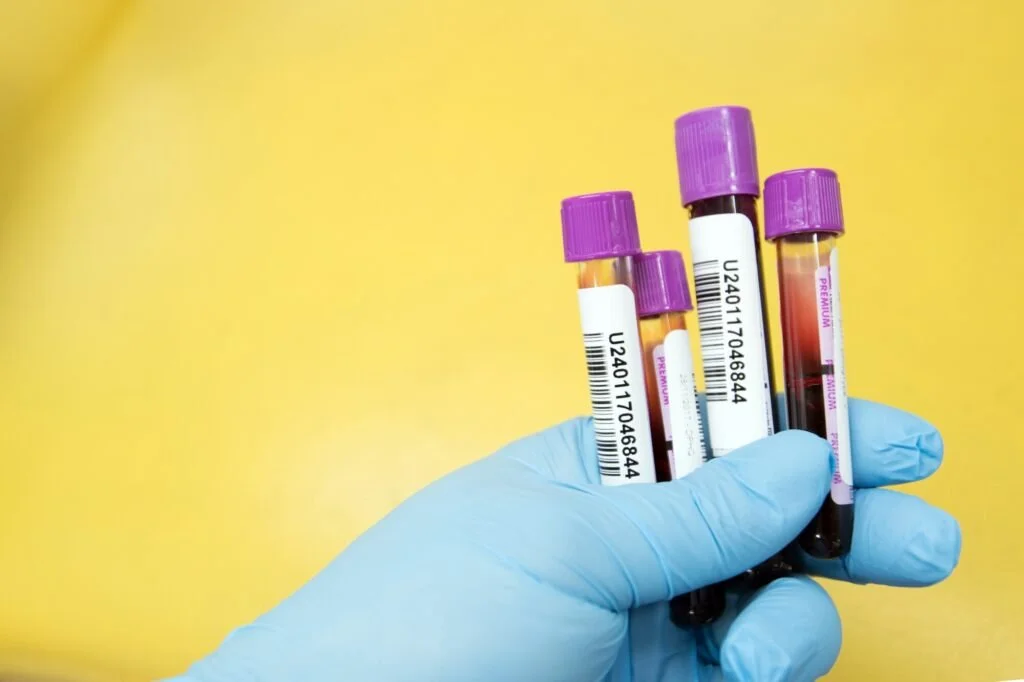
Accuracy Of Neonatal Screening Using Blood Collection Tubes
Neonatal screening is a crucial process that helps detect certain health conditions in newborn babies early on, allowing for timely intervention and treatment. One of the key components of neonatal screening is the collection of blood samples using blood collection tubes. These tubes are designed to preserve the integrity of the blood sample and ensure accurate test results. In this article, we will explore the accuracy of neonatal screening using blood collection tubes.

Recommendations For Neonatal Blood Collection
Neonatal blood collection is an essential procedure that is performed on newborn babies for various medical purposes. While collecting blood from newborns can be challenging due to their small size and delicate veins, it is crucial for diagnosing and monitoring medical conditions in infants.
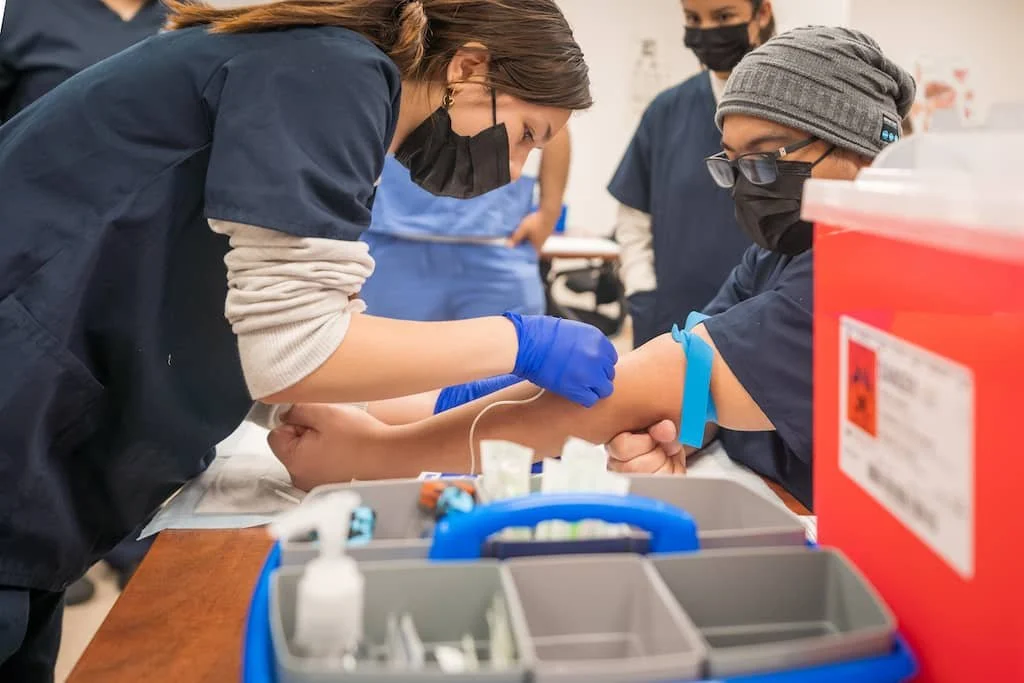
Proper Handling Of Neonatal Screening Blood Tubes
Neonatal screening, also known as newborn screening, is a crucial process that helps to identify infants who may have certain genetic, metabolic, or developmental disorders. Early detection through neonatal screening can lead to timely interventions and treatments, ultimately improving outcomes for affected infants. One key aspect of neonatal screening is the proper handling of blood tubes, as errors in this process can result in inaccurate test results.
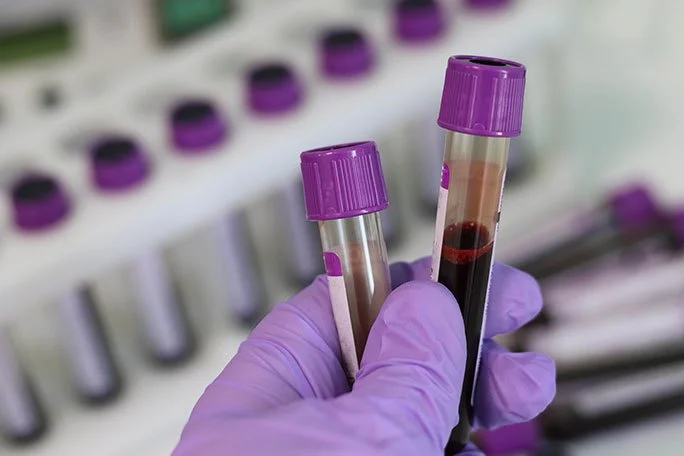
Importance Of Blood Collection Tubes In Neonatal Screening
Neonatal screening, also known as newborn screening, is a critical component of pediatric healthcare that involves testing newborn babies for a variety of genetic, metabolic, and congenital disorders. The early detection and treatment of these conditions can prevent long-term health problems and improve outcomes for affected infants. One essential tool in the neonatal screening process is the blood collection tube. In this article, we will explore the importance of blood collection tubes in neonatal screening and discuss how they play a crucial role in identifying and diagnosing potential health issues in newborns.