
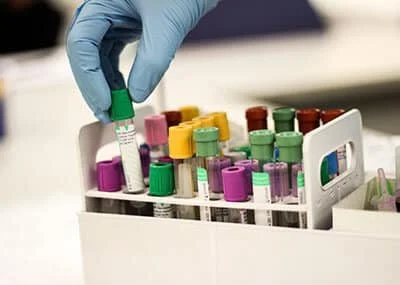
Best Practices For Hipaa Compliance In Labs
Ensuring that healthcare providers are in compliance with the Health Insurance Portability and Accountability Act (HIPAA) is crucial for protecting patient privacy and maintaining the security of sensitive health information. This is especially important for laboratories, which handle a large amount of patient data on a daily basis. In this article, we will discuss some of the best practices that labs can implement to ensure HIPAA compliance.

How To Implement Hipaa Compliance In Labs
Healthcare organizations, including laboratories, are required to comply with the Health Insurance Portability and Accountability Act (HIPAA) to protect patients' sensitive health information. Implementing HIPAA compliance in labs is crucial to safeguard patient data and avoid potential legal and financial penalties. In this post, we will discuss the steps labs can take to ensure HIPAA compliance.

HIPAA Compliance Checklist For Labs
Healthcare organizations that deal with patient information must comply with the Health Insurance Portability and Accountability Act (HIPAA) to protect patient privacy and data security. Laboratories are no exception to this rule, as they handle sensitive patient information on a daily basis. To ensure HIPAA compliance, labs must implement certain measures and protocols to safeguard patient data. This article will provide a comprehensive HIPAA compliance checklist for labs to follow.

HIPAA Compliance For Labs
In today's digital age, data security and privacy have become more important than ever. With the increasing amount of personal information being stored and transmitted online, it is crucial for healthcare providers to ensure that they are in compliance with regulations such as the Health Insurance Portability and Accountability Act (HIPAA). This is especially true for laboratories, as they handle sensitive patient information on a daily basis.
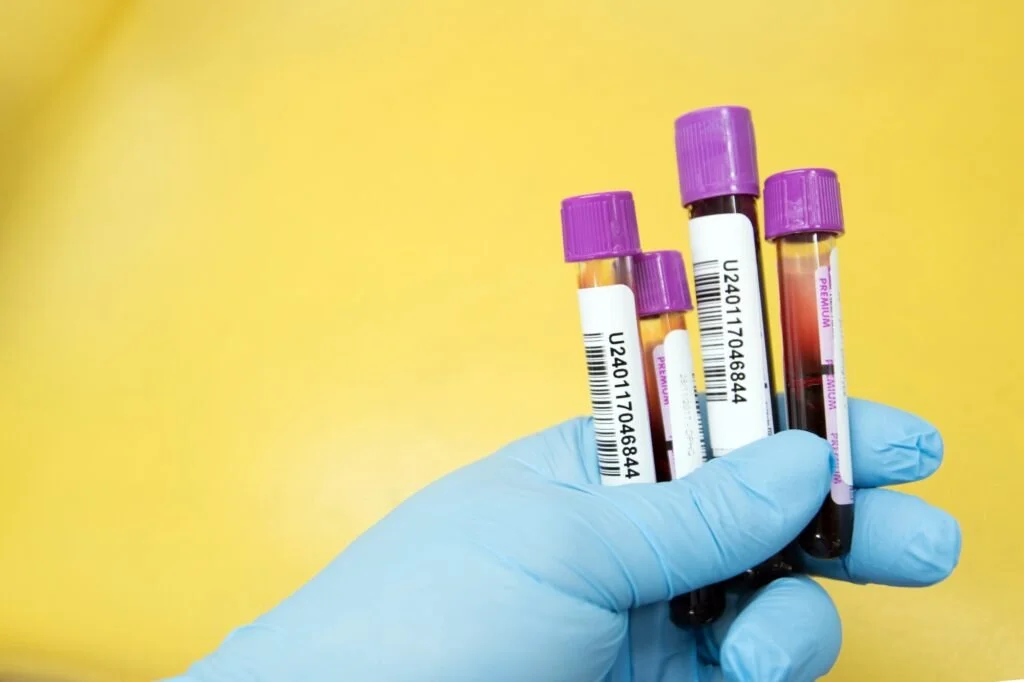
CLIA Regulations For Laboratory Testing.
Laboratory testing plays a crucial role in the diagnosis, treatment, and monitoring of various medical conditions. To ensure the accuracy and reliability of test results, the Clinical Laboratory Improvement Amendments (CLIA) were enacted in 1988 by the Centers for Medicare & Medicaid Services (CMS). These regulations establish quality standards for all laboratory testing performed on human specimens in the United States. In this article, we will explore the importance of CLIA regulations for laboratory testing.
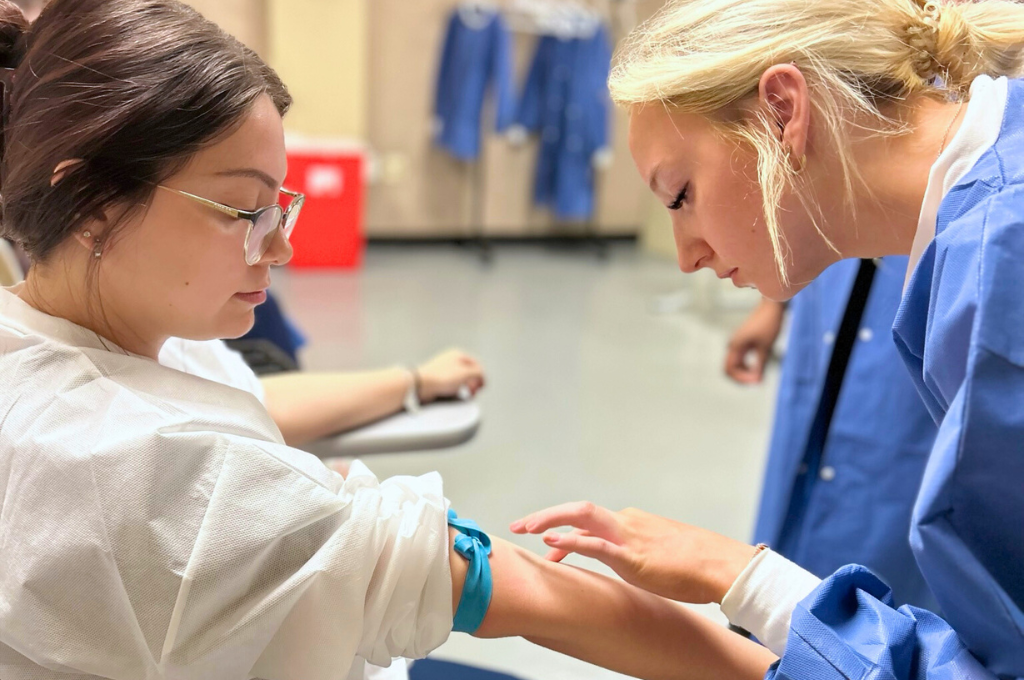
Benefits Of Clia Regulations Compliance
As a healthcare provider, compliance with CLIA regulations is crucial to ensuring the accuracy and reliability of laboratory testing. The Clinical Laboratory Improvement Amendments (CLIA) were established by the Centers for Medicare and Medicaid Services (CMS) to set standards for laboratory testing in the United States. In this article, we will explore the benefits of CLIA regulations compliance for healthcare providers.
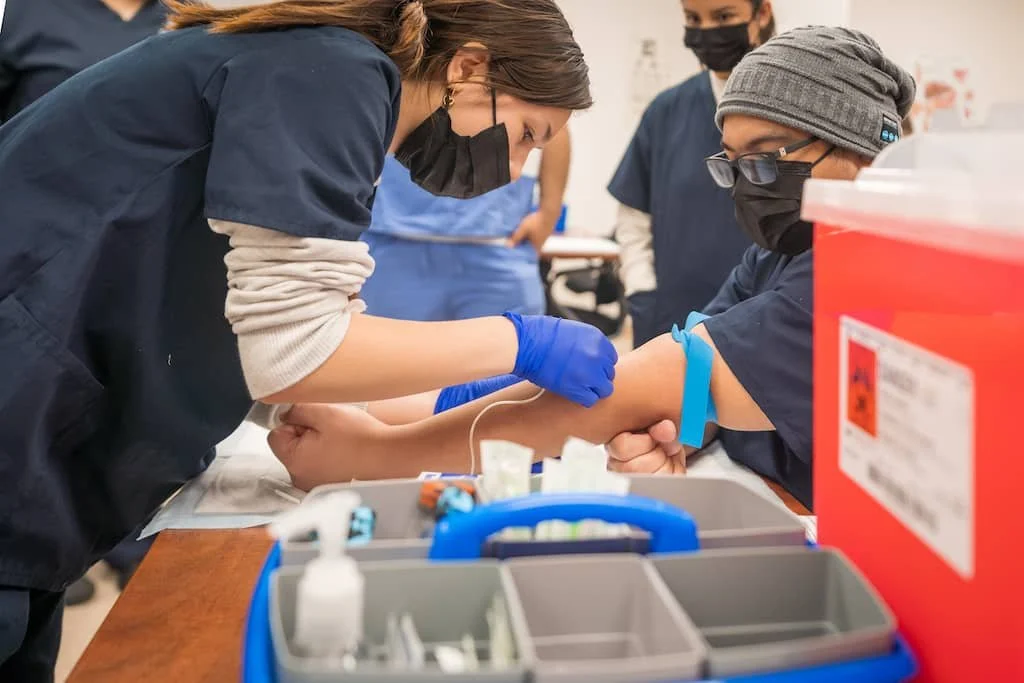
Obtaining CLIA Certification
The Clinical Laboratory Improvement Amendments (CLIA) are federal regulations that set standards for laboratory testing to ensure accuracy and reliability of results. Any facility that performs laboratory testing on human specimens for the purpose of diagnosis, prevention, or treatment of disease is required to have CLIA certification. This certification is essential for ensuring the quality of laboratory testing and the safety of patients. In this article, we will discuss the process of obtaining CLIA certification and the benefits it provides to laboratories and patients alike.
Changes In Clia Regulations
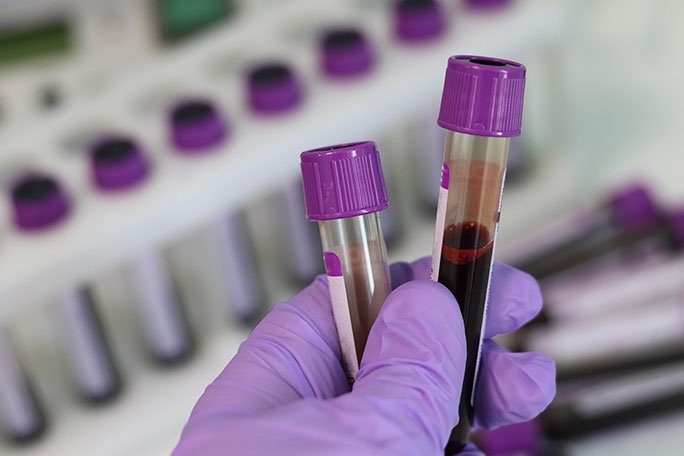
CLIA stands for Clinical Laboratory Improvement Amendments, which are regulations set forth by the Centers for Medicare & Medicaid Services (CMS) to ensure that all clinical laboratory testing performed on humans is accurate, reliable, and timely. These regulations are periodically updated to keep pace with advancements in technology and changes in the healthcare landscape. In this blog post, we will explore some of the recent changes in CLIA regulations that have taken place.
Penalties For Violating Clia Regulations
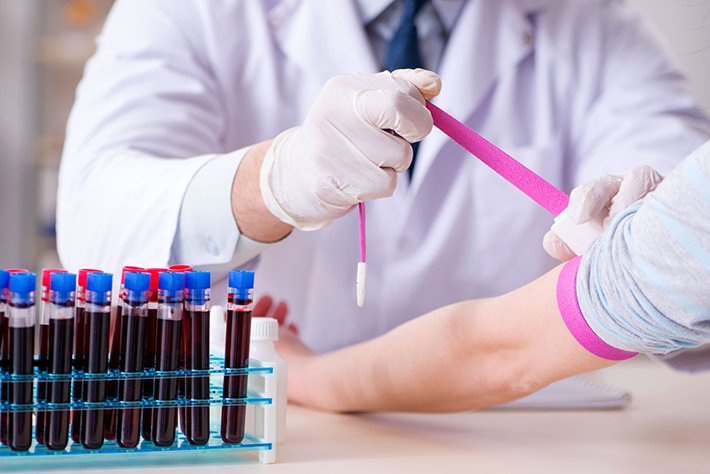
The Clinical Laboratory Improvement Amendments (CLIA) are a set of federal regulations that govern all clinical laboratory testing performed on humans in the United States. These regulations are designed to ensure the accuracy, reliability, and timeliness of patient test results. Violating CLIA regulations can have serious consequences for laboratories and healthcare providers. In this article, we will discuss the penalties for violating CLIA regulations and the importance of compliance.

Importance Of CLIA Regulations In Healthcare
Ensuring quality and accuracy in laboratory testing is crucial for delivering effective healthcare services. The Clinical Laboratory Improvement Amendments (CLIA) regulations were established by the Centers for Medicare & Medicaid Services (CMS) to ensure the quality and reliability of laboratory testing. In this article, we will explore the importance of CLIA regulations in healthcare and how they contribute to patient safety and quality of care.
Impact Of CLIA Regulations On Laboratories
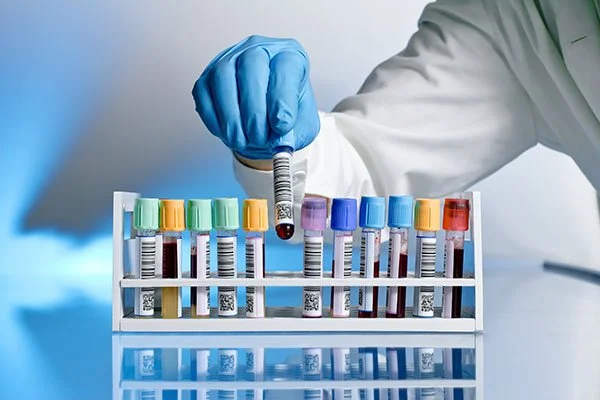
CLIA regulations have a significant impact on laboratories across the United States. These regulations are put in place to ensure that laboratories adhere to high-quality standards when performing testing on patient samples. In this article, we will explore the impact of CLIA regulations on laboratories and how they affect the quality of testing and patient care.
How To Meet CLIA Regulations
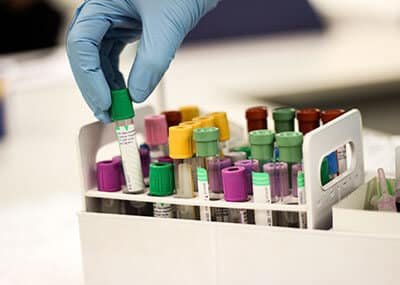
Meeting CLIA (Clinical Laboratory Improvement Amendments) regulations is crucial for any laboratory that performs testing on human specimens. These regulations are in place to ensure the accuracy, reliability, and timeliness of patient test results. Failure to comply with CLIA regulations can result in serious consequences, including fines, loss of accreditation, and legal action. In this article, we will discuss how laboratories can meet CLIA regulations to ensure the quality of their testing procedures.