
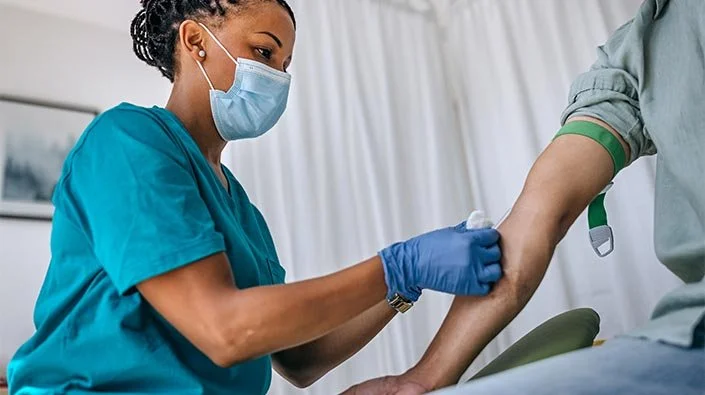
Purpose Of Additives In Blood Testing
When you go to the doctor for a blood test, you may not realize that there are additives involved in the process. These additives play a crucial role in ensuring the accuracy and reliability of the test results. In this article, we will explore the purpose of additives in blood testing and why they are necessary for obtaining precise results.
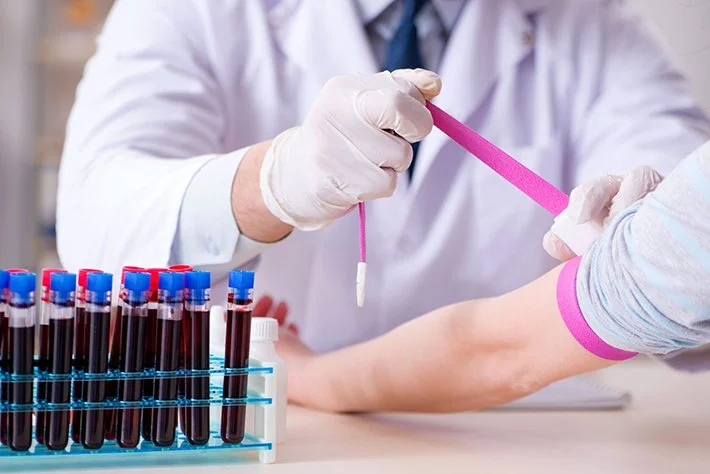
Identifying Types Of Blood Collection Tube Additives
Blood collection tubes are essential tools in the medical field for collecting and preserving blood samples for analysis. These tubes contain various additives that help maintain the integrity of the blood sample and ensure accurate test results. In this article, we will explore the different types of additives used in blood collection tubes and their specific functions.
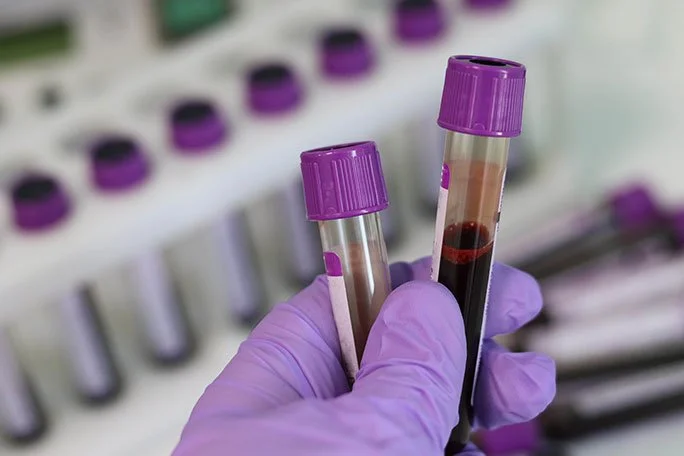
How Do Blood Collection Tube Additives Work
When you go to the doctor for a blood test, you may see the phlebotomist using different colored tubes to collect your blood. Have you ever wondered why they use these specific tubes? These tubes contain additives that help preserve the blood sample and prevent it from clotting. In this article, we will explore how blood collection tube additives work and why they are important in the field of medicine.
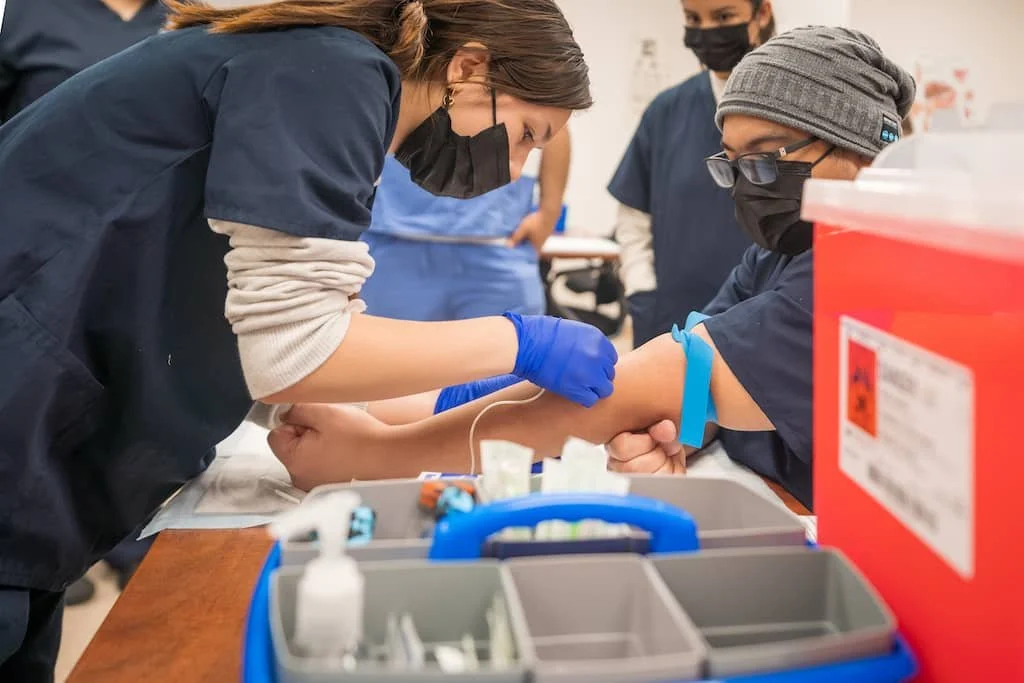
Role Of Additives In Blood Collection
When it comes to blood collection, additives play a crucial role in ensuring the integrity and stability of the blood samples. These additives are carefully selected and added to blood collection tubes to prevent clotting, preserve the sample, and facilitate the analysis of the blood. In this blog post, we will explore the importance of additives in blood collection and the different types of additives commonly used in healthcare settings.

Importance Of Different Additives In Blood Tubes
Blood tubes are essential tools in medical diagnostics, allowing healthcare professionals to collect and store blood samples for laboratory testing. These tubes come in a variety of colors, each containing different additives that serve specific purposes. In this article, we will explore the importance of different additives in blood tubes and how they contribute to accurate and reliable test results.
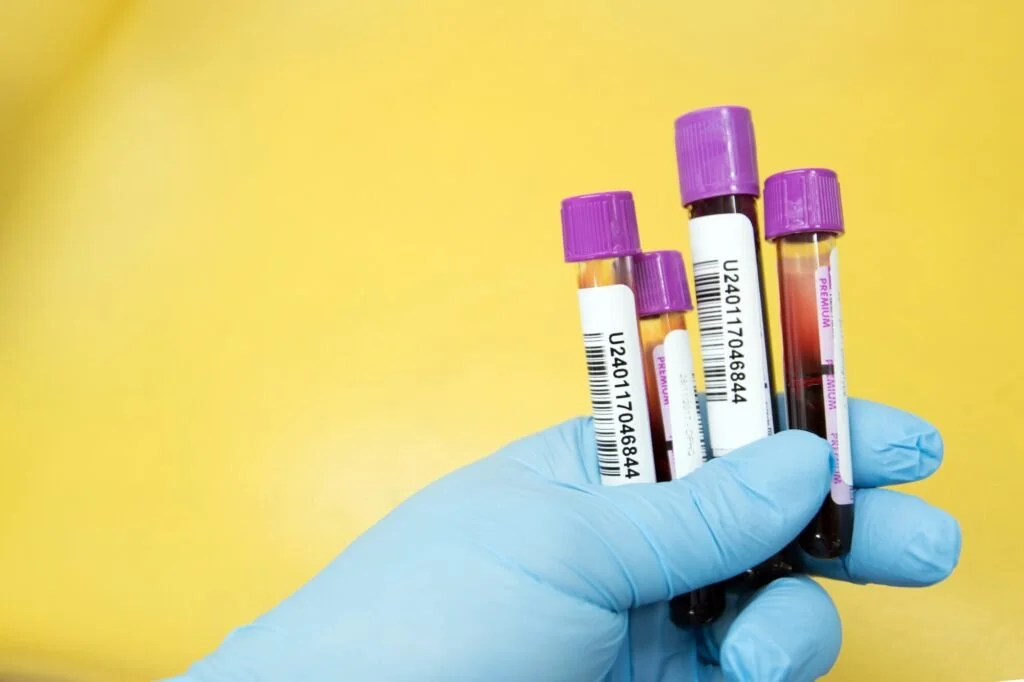
What Are Blood Collection Tube Additives
When you go to the doctor for a blood test, you may notice that the blood is collected into different colored tubes. Each of these tubes contains additives that serve specific purposes in preserving the blood sample and ensuring accurate test results. In this article, we will explore the different types of blood collection tube additives and their functions.

Understanding Blood Collection Tube Additives
When you go for a blood test, you may have noticed that the technician uses different colored tubes to collect your blood samples. These tubes are not just for decoration; they actually contain additives that help preserve the blood sample and ensure accurate test results. In this article, we will explore the different types of additives used in blood collection tubes and their functions.
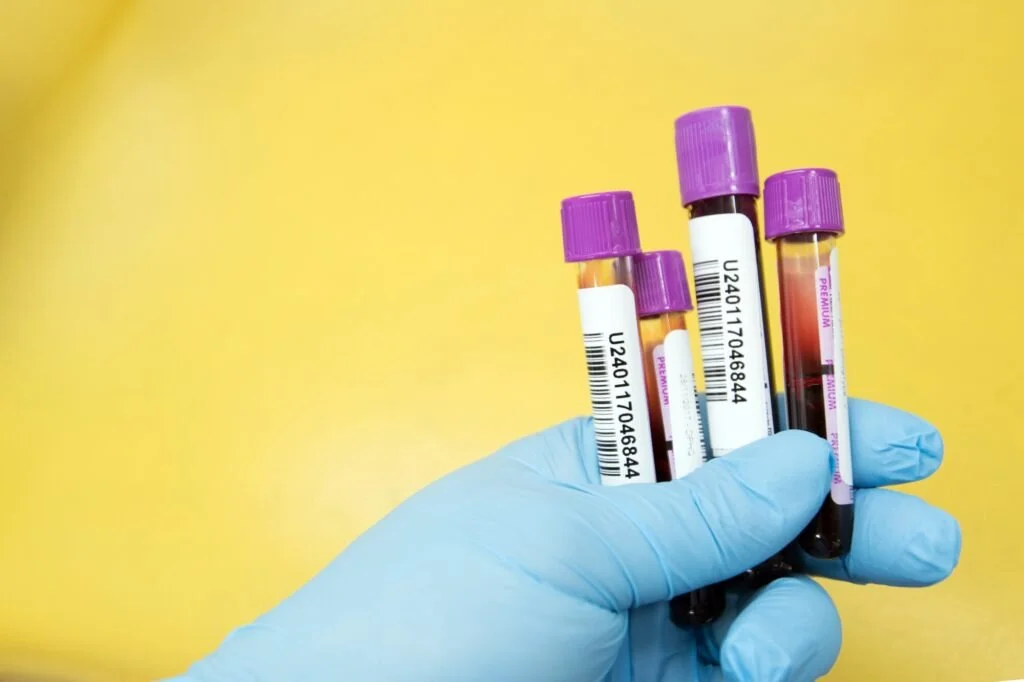
Safety Protocols In Needle Disinfection
Needles are a crucial tool in healthcare settings, whether for administering vaccines, drawing blood, or delivering medications. However, improper handling and disinfection of needles can pose significant risks to both patients and healthcare workers. In this blog post, we will explore the importance of safety protocols in needle disinfection and provide tips for ensuring safe practices.

Manufacturers Of Customizable Blood Collection Systems.
Customizable blood collection systems play a crucial role in modern healthcare settings. These systems are designed to meet the specific needs of healthcare providers, patients, and laboratory technicians. Manufacturers of customizable blood collection systems play a key role in ensuring that healthcare professionals have access to the tools they need to provide quality care to their patients.

Pedagogical Insights Into Preventing Needlestick Injuries
Needlestick injuries are a common occurrence in healthcare settings, posing a significant risk to healthcare workers. These injuries can result in the transmission of infectious diseases such as HIV, hepatitis B, and hepatitis C. Preventing needlestick injuries is crucial to ensuring the safety and well-being of healthcare workers. In this blog post, we will explore pedagogical insights into preventing needlestick injuries.
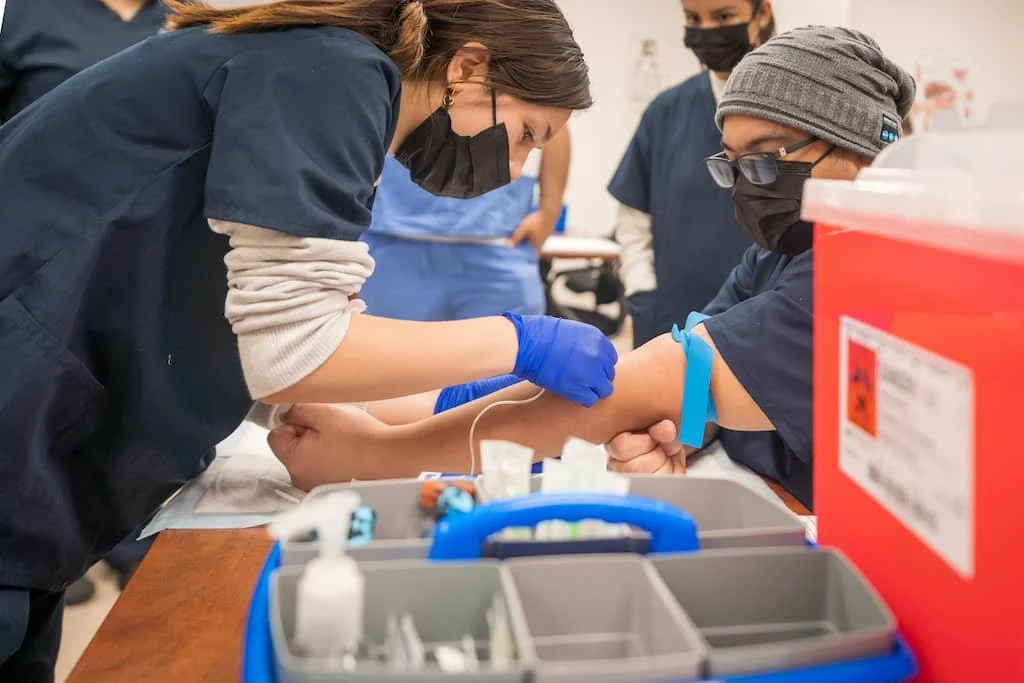
Order Of Draw In Blood Sample Collection
Collecting blood samples for laboratory testing is a critical process that requires careful attention to detail. One important aspect of blood sample collection is the order of draw, which refers to the sequence in which different types of blood tubes should be filled during the collection process. Following the proper order of draw helps ensure the accuracy of test results and prevents cross-contamination between different samples. In this blog post, we will explore the significance of the order of draw in blood sample collection and provide guidance on how to follow this important protocol.
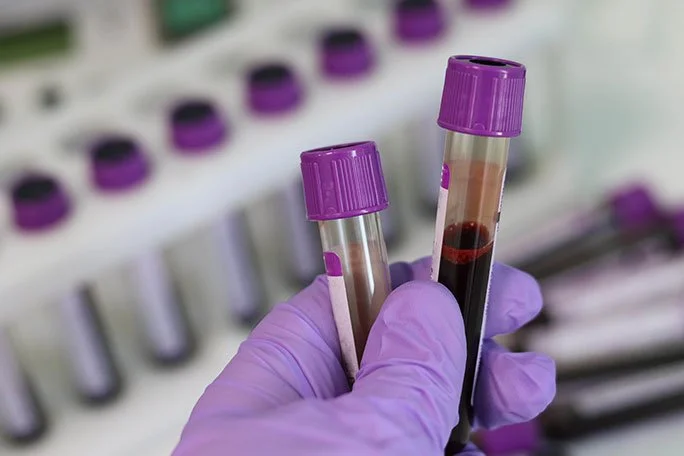
Importance Of Tourniquet Placement In Blood Collection
When it comes to collecting blood samples for medical testing, proper tourniquet placement is crucial. A tourniquet is a constricting or compressing device used to control venous and arterial circulation to an extremity for a period of time. It is commonly used in blood collection to make veins more prominent and easier to locate, ultimately making the process quicker and more efficient. However, incorrect tourniquet placement can lead to a number of issues, including inaccurate test results and patient discomfort. In this article, we will explore the importance of tourniquet placement in blood collection and provide tips for proper placement.