
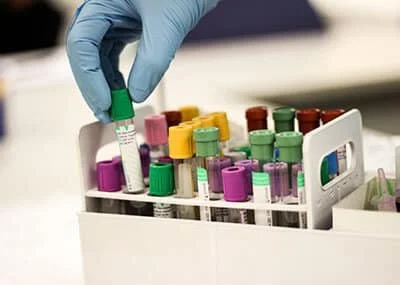
Guidelines For Safely Using Blood Collection Tubes
When it comes to drawing blood samples for medical testing, using the right tools and techniques is crucial to ensure accurate results and the safety of both the patient and healthcare provider. Blood collection tubes are commonly used in healthcare settings to collect blood for various tests and analyses. In this article, we will discuss some guidelines for safely using blood collection tubes to minimize the risk of contamination and ensure reliable test results.

Common Safety Features In Blood Collection Tubes
When it comes to collecting blood samples for medical testing, ensuring the safety of both the patient and healthcare workers is of utmost importance. One key aspect of this process is the use of blood collection tubes, which are designed with various safety features to prevent accidental needlesticks, sample contamination, and other hazards. In this blog post, we will explore some of the common safety features found in blood collection tubes and how they help to maintain a safe and efficient blood collection process.

How Do Safety Features In Blood Collection Tubes Work
Blood collection tubes are an essential tool in the medical field for drawing blood samples from patients. However, the process of collecting blood can pose risks to healthcare workers if proper safety measures are not in place. That's where safety features in blood collection tubes come into play. These innovative features are designed to minimize the risk of accidental needle sticks and exposure to bloodborne pathogens. In this blog post, we will delve into how these safety features work and why they are crucial in the healthcare setting.

Safety Mechanisms In Blood Collection
When it comes to blood collection procedures, safety is of the utmost importance for both the healthcare provider and the patient. In order to ensure that blood collection is done safely and effectively, there are a number of safety mechanisms and protocols that must be followed. In this blog post, we will discuss some of the key safety mechanisms that are used in blood collection procedures.
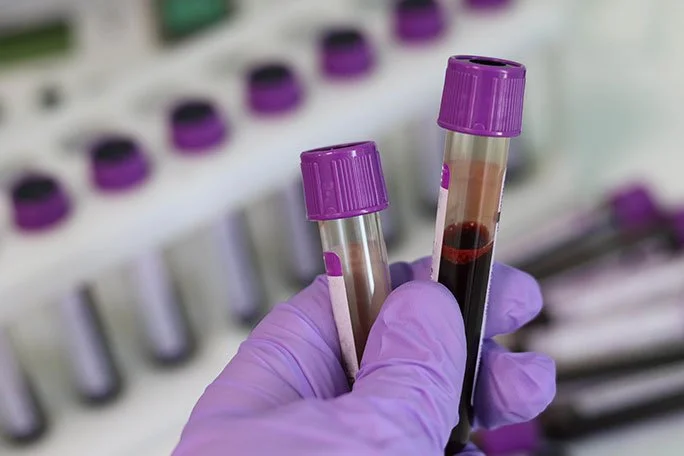
Advancements In Safety Features For Blood Collection Tubes
When it comes to medical procedures involving blood collection, safety is of utmost importance. Healthcare providers need to ensure that blood samples are collected in a safe and secure manner to prevent any risks of contamination or injury. Over the years, advancements in technology have led to the development of innovative safety features for blood collection tubes, making the process safer and more efficient. In this article, we will explore some of the latest advancements in safety features for blood collection tubes.
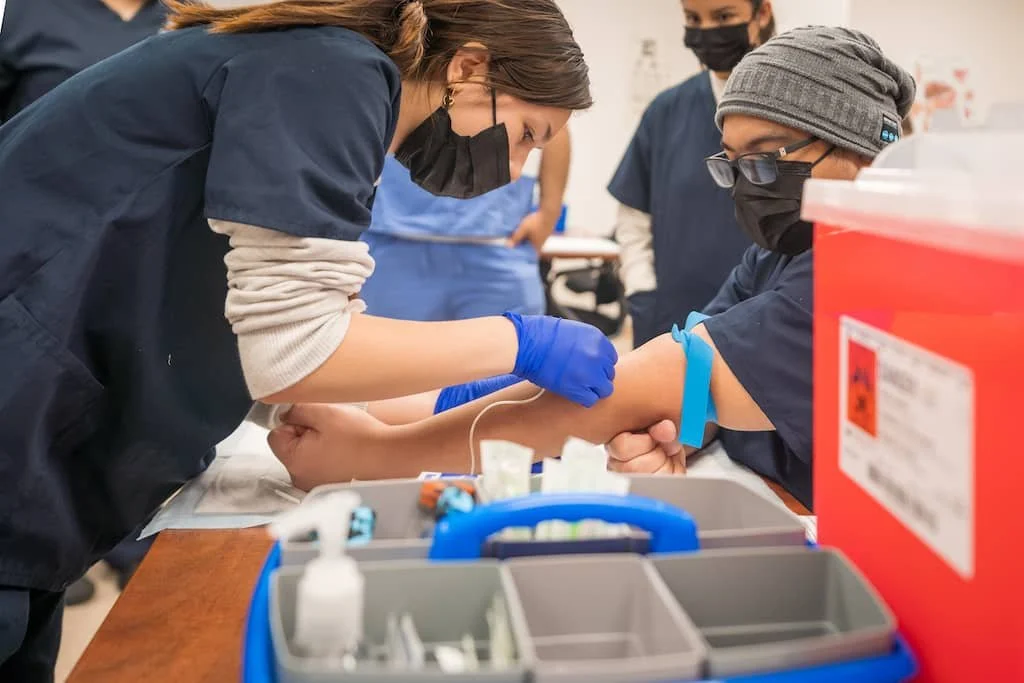
Role Of Safety Features In Blood Collection Tubes
When it comes to collecting blood samples for medical testing, safety is of utmost importance. Blood collection tubes are a crucial tool in this process, as they are used to store and transport blood specimens safely and securely. In recent years, there has been an increased focus on the development of safety features in blood collection tubes to prevent needlestick injuries and ensure the integrity of the samples. In this article, we will explore the role of safety features in blood collection tubes and why they are essential in healthcare settings.

Importance Of Safety In Blood Collection Tubes
When it comes to collecting blood samples for medical testing, safety is paramount. Blood collection tubes play a crucial role in ensuring the safety of both patients and healthcare providers. These tubes are specifically designed to collect and store blood samples in a safe and secure manner, reducing the risk of contamination and ensuring accurate test results. In this article, we will explore the importance of safety in blood collection tubes and why healthcare facilities must prioritize the use of high-quality, safety-oriented tubes.
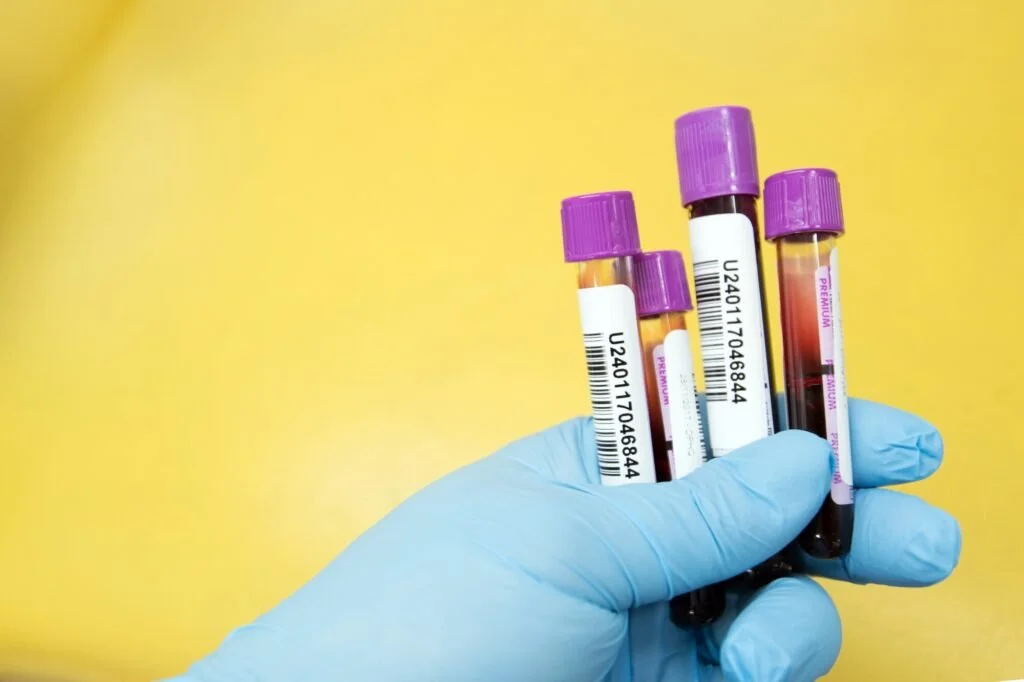
Types Of Safety Features In Blood Collection Tubes
When it comes to blood collection tubes, safety is of utmost importance. Healthcare professionals rely on these tubes to collect and transport blood samples for testing, and any compromise in safety can have serious consequences. That's why manufacturers have developed a variety of safety features to ensure the integrity of the samples and the safety of the healthcare workers handling them. In this article, we will explore some of the common safety features found in blood collection tubes.

Safety Features In Blood Collection Tubes
Blood collection tubes are essential tools utilized in healthcare settings for the collection, storage, and transportation of blood samples for diagnostic testing. These tubes are designed with various safety features to protect both the healthcare worker and the patient from potential risks associated with handling blood specimens. In this article, we will explore the safety features integrated into blood collection tubes to ensure safe and efficient blood specimen collection.

Implications Of Using Wrong Blood Collection Tubes
When it comes to collecting blood samples for medical testing, using the right blood collection tubes is crucial. Incorrectly selecting the appropriate tubes can have serious implications on the accuracy of test results, as well as on patient care and treatment. In this blog post, we will explore the implications of using the wrong blood collection tubes and the potential risks associated with this common error.

Understanding Blood Collection Tubes
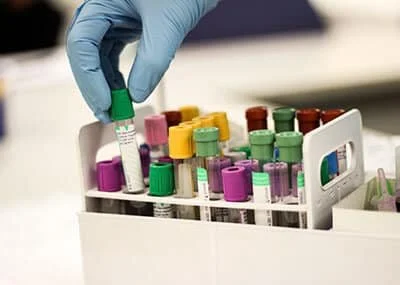
When you go to the doctor for a blood test, you may notice that the phlebotomist uses different tubes to collect your blood. Each tube is designed to collect and preserve blood samples for different types of tests. Understanding the different types of blood collection tubes can help you better understand the laboratory testing process and ensure accurate results.
Correct Order Of Draw In Blood Collection
When it comes to blood collection, following the correct order of draw is crucial to ensure accurate test results and patient safety. The order of draw refers to the sequence in which different blood tubes should be drawn during a venipuncture procedure. In this article, we will discuss the importance of the correct order of draw and provide guidelines on how to properly follow this protocol.