

Order Of Draw Explained
Have you ever wondered why phlebotomists draw blood in a specific order? The order of draw is a crucial aspect of the blood collection process that ensures accurate and reliable test results. In this article, we will delve into the significance of the order of draw and explain why it is important for both patients and healthcare providers.

Procedures To Check For Contamination In Blood Samples.
When conducting any type of medical testing, it is crucial to ensure that the samples being used are free from contamination. Contaminated blood samples can lead to inaccurate results, misdiagnosis, and improper treatment of patients. In this blog post, we will discuss the procedures that should be followed to check for contamination in blood samples.

Training For Lab Personnel To Minimize Sample Contamination
Working in a laboratory setting requires precision, accuracy, and attention to detail. One of the key aspects of laboratory work is ensuring that samples remain uncontaminated throughout the testing process. Contamination can lead to inaccurate results, which can have serious consequences in fields such as healthcare, environmental science, and forensics. That is why it is crucial for lab personnel to undergo thorough training on how to minimize the risk of sample contamination.

Best Practices In Handling Blood Samples To Avoid Contamination
Handling blood samples in a laboratory setting requires careful attention to detail in order to avoid contamination. Contaminated samples can lead to inaccurate test results, which can have serious consequences for patients. In this article, we will discuss the best practices for handling blood samples to ensure accurate and reliable test results.

Proper Storage For Prevention Of Blood Sample Contamination
Proper storage of blood samples is essential to prevent contamination and ensure accurate test results. Contaminated samples can lead to incorrect diagnosis and treatment, potentially putting patients at risk. In this article, we will discuss the importance of proper storage for blood samples and provide some tips on how to prevent contamination.

Impact Of Contaminated Blood Samples On Test Results
Contaminated blood samples can have a significant impact on the accuracy of test results, leading to incorrect diagnosis and potentially harmful treatment decisions. In this blog post, we will explore the various ways in which contaminated blood samples can affect test results and discuss measures that can be taken to prevent such contamination.

Challenges In Ensuring Contamination-Free Blood Samples
Blood samples are crucial for diagnosing various medical conditions, monitoring treatment effectiveness, and conducting research. However, ensuring that blood samples are contamination-free can be a challenging task. Contaminated blood samples can lead to inaccurate results, which can have serious consequences for patients. In this article, we will discuss the challenges in ensuring contamination-free blood samples and provide some tips on how to overcome them.

Role Of Laboratory Personnel In Preventing Blood Sample Contamination
When it comes to testing blood samples in a laboratory setting, ensuring the accuracy and reliability of results is of utmost importance. Contaminated blood samples can lead to incorrect diagnoses, potentially putting patients at risk. Laboratory personnel play a crucial role in preventing blood sample contamination through proper handling and adherence to protocols. In this article, we will explore the key responsibilities of laboratory personnel in ensuring the integrity of blood samples.

Importance Of Sterile Collection In Preventing Contamination
When it comes to collecting samples for testing in a medical or laboratory setting, ensuring sterility is crucial. Sterile collection methods help prevent contamination of samples, which could lead to inaccurate results and potentially harm patients. In this article, we will explore the importance of sterile collection in preventing contamination and the best practices for maintaining sterility during sample collection.

Techniques To Prevent Blood Sample Contamination
Ensuring the accuracy of blood samples is crucial in medical testing to provide accurate diagnoses and treatment plans for patients. Contamination of blood samples can lead to incorrect results and potentially harmful consequences. Therefore, it is essential for healthcare professionals to follow proper techniques to prevent blood sample contamination. In this article, we will discuss some effective strategies to minimize the risk of contamination in blood samples.
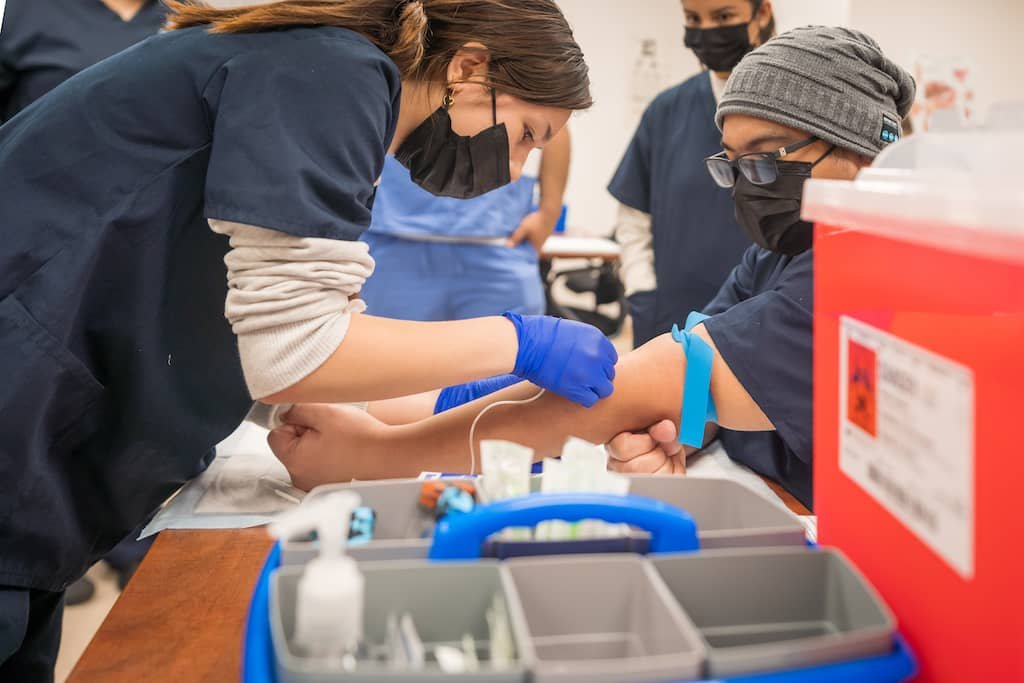
Causes Of Contamination In Blood Samples
Contamination in blood samples is a serious issue that can lead to inaccurate test results and potentially harmful consequences for patients. Understanding the causes of contamination is essential for healthcare providers to ensure the reliability of blood test results. In this article, we will explore the common causes of contamination in blood samples and how they can be prevented.

Preventing Contamination In Blood Samples
When it comes to handling blood samples in a healthcare setting, preventing contamination is of utmost importance. Contaminated blood samples can lead to inaccurate test results, misdiagnosis, and potentially harmful treatment decisions. In this article, we will discuss the importance of preventing contamination in blood samples and provide some tips and best practices for healthcare professionals to follow.