

Advantages Of Syringe Method
When it comes to administering medication or injections, there are various methods that can be used. One popular method is the syringe method, which offers numerous advantages over other methods. In this article, we will discuss the advantages of the syringe method and why it is a preferred choice for many medical professionals.

Pros And Cons Of Vacutainer Tubes
Vacutainer tubes, also known as blood collection tubes, are used to collect and store blood samples for diagnostic testing. These tubes are commonly used in healthcare settings such as hospitals, clinics, and laboratories. While Vacutainer tubes offer several benefits, they also have some drawbacks. In this article, we will discuss the pros and cons of using Vacutainer tubes.
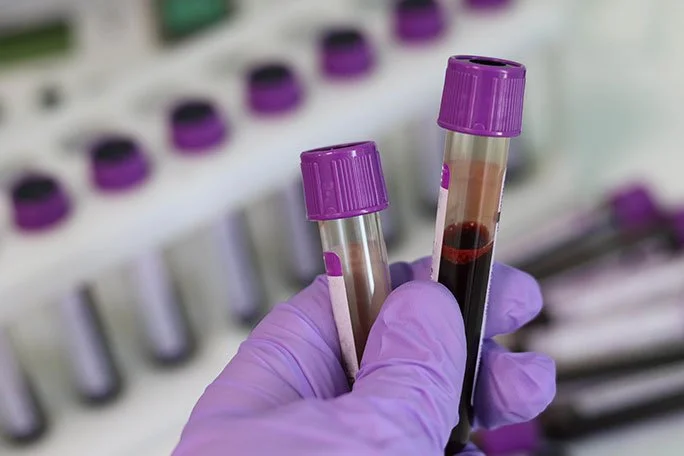
Vacutainer Tubes vs. Syringe Method
When it comes to drawing blood for medical tests or procedures, there are two main methods used by healthcare professionals: Vacutainer tubes and the syringe method. Both methods have their own advantages and disadvantages, and the choice between the two often depends on the specific needs of the patient and the preferences of the healthcare provider.

Issues With Pediatric Blood Collection Tubes
When it comes to collecting blood samples from pediatric patients, using the right equipment is essential. Pediatric blood collection tubes are specially designed to ensure accurate and reliable results while minimizing discomfort for young patients. However, there are some common issues that can arise when using pediatric blood collection tubes, which can impact the quality of the results and the overall experience for both patients and healthcare providers.

Clinical Use Of Pediatric Blood Collection Tubes
When it comes to collecting blood samples from pediatric patients, using the right equipment is crucial. Pediatric blood collection tubes are specifically designed to ensure accurate and reliable results while minimizing discomfort for young patients. In this article, we will explore the clinical use of pediatric blood collection tubes, including their benefits, types, and recommendations for usage.

Pediatric Blood Collection Guidelines
Welcome to our blog post on pediatric blood collection guidelines. Collecting blood samples from children can be a challenging task, as it requires special care and attention to ensure the comfort and safety of the young patients. In this article, we will discuss some important guidelines and best practices for collecting blood samples from pediatric patients.

Best Blood Collection Tubes For Pediatric Patients
When it comes to collecting blood samples from pediatric patients, it is essential to use the right tools to ensure accurate results and minimize discomfort for the child. In this article, we will discuss the best blood collection tubes for pediatric patients.

Pediatric Venipuncture Procedures
Performing a venipuncture procedure on a pediatric patient can be a challenging task for healthcare providers. Children often have a fear of needles and may be uncooperative during the procedure. However, with the right techniques and a gentle approach, healthcare providers can successfully collect blood samples from pediatric patients without causing unnecessary stress or discomfort.

Volume Of Blood Drawn From Pediatric Patients
When it comes to drawing blood from pediatric patients, healthcare providers must take special care to minimize the potential risks and discomfort associated with the procedure. The volume of blood drawn from pediatric patients is a critical consideration, as drawing too much blood can lead to complications such as anemia and increased stress on the child's body. In this blog post, we will explore the importance of monitoring the volume of blood drawn from pediatric patients and provide tips for healthcare providers to ensure safe and effective blood draws.

Pediatric Blood Draw Techniques
Welcome to our comprehensive guide on pediatric blood draw techniques. Drawing blood from children can be challenging due to their smaller veins and fear of needles. However, with the right approach and techniques, healthcare professionals can successfully collect blood samples from pediatric patients with minimal discomfort. In this article, we will cover important tips and strategies for performing blood draws on children, ensuring a safe and efficient procedure.

Blood Collection Tube Size For Children
When it comes to collecting blood samples from children, healthcare providers must consider the size of the blood collection tube. Using the correct size tube is crucial to ensure accurate test results and minimize discomfort for the child. In this article, we will discuss the importance of choosing the right blood collection tube size for children.

Types Of Blood Collection Tubes For Pediatric Patients
Blood collection is a common procedure used for diagnosing various medical conditions in patients of all ages. However, when it comes to pediatric patients, special care must be taken to ensure the process is as smooth and painless as possible. One important aspect of blood collection in pediatric patients is the type of blood collection tubes that are used. In this article, we will explore the different types of blood collection tubes that are specifically designed for pediatric patients.