

Success Stories Of Tube Recycling Programs
Tube recycling programs have been gaining popularity in recent years as more and more people become aware of the impact of plastic waste on the environment. These programs aim to reduce the amount of plastic waste generated by encouraging consumers to recycle their empty tubes instead of throwing them away. In this article, we will explore some success stories of tube recycling programs and how they have made a positive impact on the environment.

Blood Collection Tube Recycling Strategies
With the increasing focus on sustainability and environmental impact, medical facilities are looking for ways to reduce waste and recycle items that were previously discarded. Blood collection tubes are commonly used in healthcare settings for various tests and procedures, but they often end up in the trash after a single use. In this article, we will discuss some strategies for recycling blood collection tubes to reduce waste and promote sustainability in the healthcare industry.

Effective Ways For Blood Collection Tube Recycling
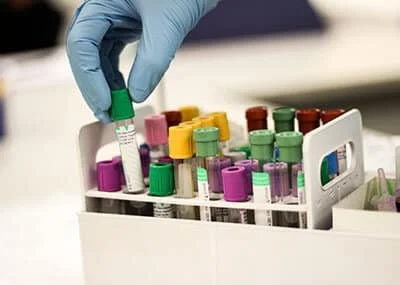
As the world becomes more conscious of sustainability and environmental impact, many industries are looking for ways to reduce waste and increase recycling efforts. In the healthcare industry, blood collection tubes are commonly used for various medical tests and procedures. However, these tubes are often disposed of after a single use, leading to a significant amount of waste. In this blog post, we will discuss the importance of blood collection tube recycling and some effective ways to implement recycling programs in healthcare facilities.
Challenges In Blood Tube Recycling
Recycling is an important aspect of waste management that helps reduce the impact of human activities on the environment. While many people are familiar with recycling paper, plastic, and glass, not many are aware of the challenges associated with recycling medical waste, such as blood tubes used in hospitals and clinics. In this article, we will explore the challenges in blood tube recycling and the efforts being made to address them.

Implementing Tube Recycling Program
Implementing a tube recycling program is a great way to reduce waste and promote sustainability. Tubes are commonly used in packaging for products such as toothpaste, cosmetics, and food items. Unfortunately, many of these tubes end up in landfills where they can take hundreds of years to decompose. By implementing a tube recycling program, businesses can help reduce their environmental impact and contribute to a more sustainable future.

Benefits Of Blood Collection Tube Recycling
Blood collection tubes are a common medical device used in healthcare settings to collect, store, and transport blood samples for diagnostic testing. These tubes are typically made of plastic and come in a variety of sizes and colors, each designed for specific types of blood tests. While blood collection tubes play a critical role in the healthcare industry, their disposal can have a significant impact on the environment.

Impact Of Recycling Blood Collection Tubes
In recent years, the importance of recycling has become increasingly evident in all aspects of our lives, including the healthcare industry. One area where recycling can have a significant impact is in the recycling of blood collection tubes. Blood collection tubes are used in a variety of medical settings, such as hospitals, clinics, and laboratories, and the proper disposal and recycling of these tubes can have a positive impact on both the environment and the healthcare system as a whole.

Blood Collection Tube Recycling Programs
With the increasing awareness of environmental sustainability, many industries are looking for ways to reduce their carbon footprint and minimize waste. In the medical field, one area of particular concern is the disposal of blood collection tubes. These tubes are used in healthcare facilities around the world for blood tests, but the materials they are made of can be harmful to the environment if not disposed of properly.
Influence Of Tube Volume In Hematology Tests.
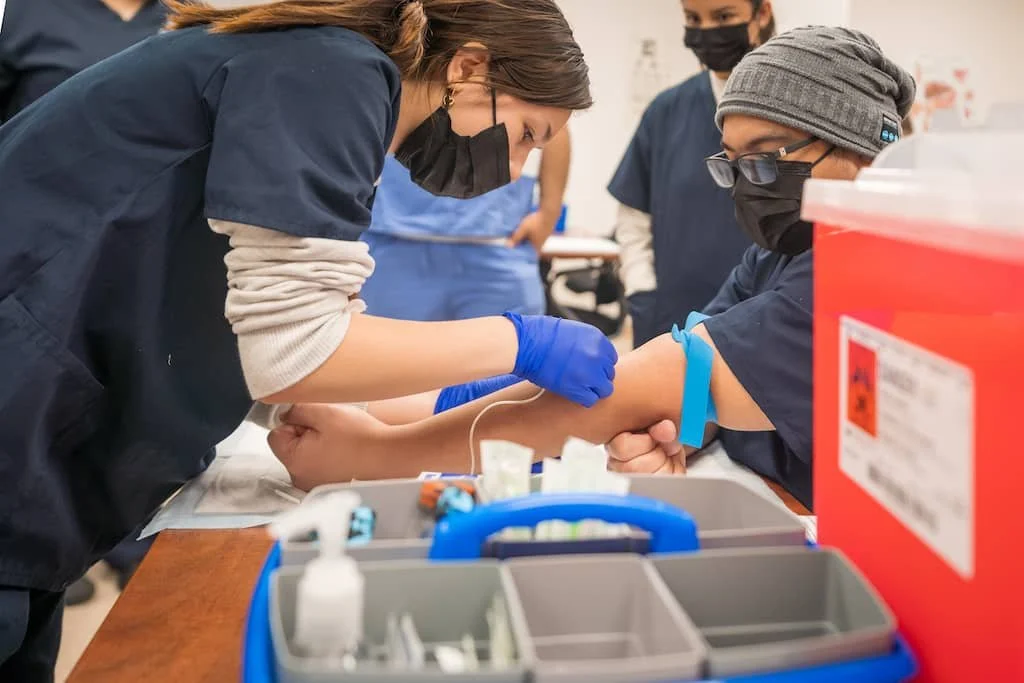
In the field of hematology, accurate and reliable test results are crucial for diagnosing medical conditions and monitoring the health of patients. One factor that can impact the accuracy of these tests is the volume of blood collected in the tubes during sample collection. In this article, we will explore the influence of tube volume in hematology tests and discuss how healthcare professionals can ensure optimal results through proper sample collection techniques.
Tube Volume And Its Effect On Blood Diagnostics
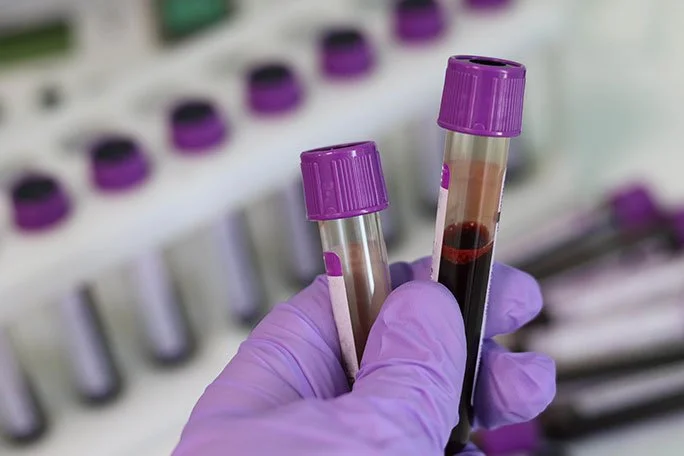
When you go in for a blood test, you may not realize that the size of the tube used to collect your blood sample can have a significant impact on the accuracy of the results. The volume of blood collected and the type of tube used can affect the concentration of different components in the blood, which in turn can affect the results of various blood tests. In this blog post, we will explore the importance of tube volume in blood diagnostics and how it can impact the accuracy of test results.

Role Of Tube Volume In Blood Specimen Quality
When collecting blood specimens for analysis, many factors can influence the quality of the sample obtained. One critical factor that often goes overlooked is the volume of the collection tube used. The volume of the tube can have a significant impact on the accuracy and reliability of the test results obtained. In this article, we will explore the role of tube volume in blood specimen quality and why it is important to pay attention to this often overlooked factor.

How Does Tube Volume Affect Blood Analysis
When it comes to blood analysis, the volume of blood collected in a tube can have a significant impact on the results obtained. Different tests require different volumes of blood to ensure accuracy and reliability. In this blog post, we will explore how tube volume affects blood analysis and why it is important to pay attention to this factor.