

Safety Guidelines For Tube Centrifugation
When working in a laboratory setting, safety is always a top priority. One common laboratory procedure that requires careful attention to safety guidelines is tube centrifugation. In this article, we will discuss the important safety measures that should be followed when performing tube centrifugation to ensure the well-being of laboratory personnel and the integrity of the samples being processed.

Procedure For Centrifuging Tubes
Centrifugation is a common laboratory technique used to separate components of a mixture based on their size, shape, density, and viscosity. Centrifuging tubes are essential tools in this procedure, as they hold the sample during centrifugation. In this article, we will discuss the proper procedure for centrifuging tubes to ensure accurate and efficient results.

Considerations For Tube Centrifugation
Centrifugation is a common laboratory technique used to separate substances of different densities from a liquid suspension. When working with tubes in a centrifuge, there are several important considerations to keep in mind to ensure optimal results and prevent damage to the equipment. In this article, we will explore some key factors to consider when performing tube centrifugation.

Standard Tube Centrifugation Methods
When it comes to separating components of a liquid mixture, centrifugation is a commonly used technique in laboratories. In this blog post, we will explore the standard tube centrifugation methods that are widely used in various scientific fields.

Tube Centrifugation Protocol Steps
Centrifugation is a common laboratory technique used to separate particles from a liquid based on their size, shape, density, and viscosity. Tube centrifugation, in particular, is a widely used method in biological research for various applications, such as cell separation, protein purification, and DNA isolation. In this article, we will discuss the steps involved in a typical tube centrifugation protocol.
Tube Centrifugation Protocols
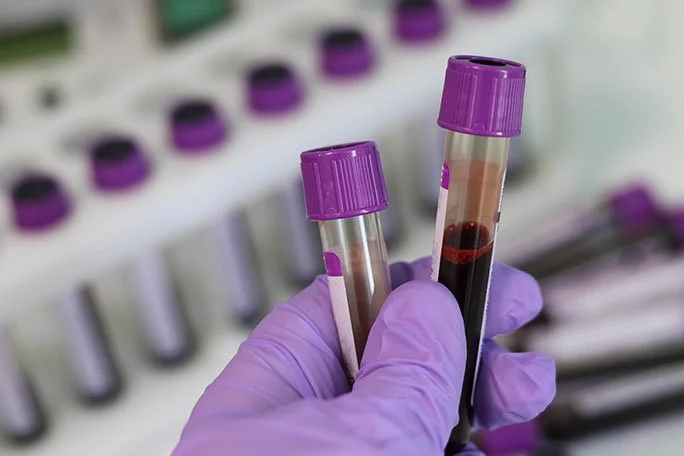
Tube centrifugation is a common laboratory technique used to separate substances of different densities from a liquid mixture. It is a crucial step in many scientific experiments, especially in the fields of biology, chemistry, and medicine. In order to obtain accurate and reliable results, it is essential to follow proper tube centrifugation protocols. In this article, we will discuss the importance of these protocols and provide some tips for successful tube centrifugation.

Procedures For Using Capillary Blood Collection Tubes.
Capillary blood collection tubes are an essential tool in the medical field, allowing healthcare professionals to safely and effectively collect blood samples from patients. Using these tubes correctly is crucial to ensure accurate test results and patient comfort. In this article, we will discuss the procedures for using capillary blood collection tubes, including preparation, collection, and storage.

Capillary Blood Collection Tube Manufacturers
Capillary blood collection tubes play a vital role in healthcare settings, allowing for the safe and efficient collection of small blood samples for various diagnostic tests. These tubes are designed to collect and store blood samples in a controlled environment to ensure accurate test results. In this blog post, we will discuss the top capillary blood collection tube manufacturers in the industry and their products.

Blood Volume In Capillary Blood Collection Tubes
When it comes to collecting blood samples for various medical tests, capillary blood collection tubes are commonly used. These tubes are small, plastic containers that are designed to hold a small amount of blood that is collected via a prick to the skin. However, it's important to understand the appropriate blood volume needed for accurate test results.

Capillary Blood Collection Tube Storage
Capillary blood collection tubes are commonly used in healthcare settings for various tests and procedures. Proper storage of these tubes is essential to ensure accurate results and maintain the integrity of the blood samples. In this article, we will discuss the importance of capillary blood collection tube storage and provide some tips on how to store them effectively.

Types Of Capillary Blood Collection Tubes
Capillary blood collection tubes are essential tools in healthcare settings for collecting small amounts of blood for various diagnostic tests. There are several types of capillary blood collection tubes available, each designed for specific purposes. In this article, we will discuss the different types of capillary blood collection tubes and their uses.

Accuracy Of Capillary Blood Collection Tubes
Capillary blood collection tubes are commonly used in healthcare settings for various diagnostic tests. These tubes are designed to collect small amounts of blood from capillaries, which are the smallest blood vessels in the body. The accuracy of capillary blood collection tubes is crucial for obtaining reliable test results and ensuring proper patient care.