
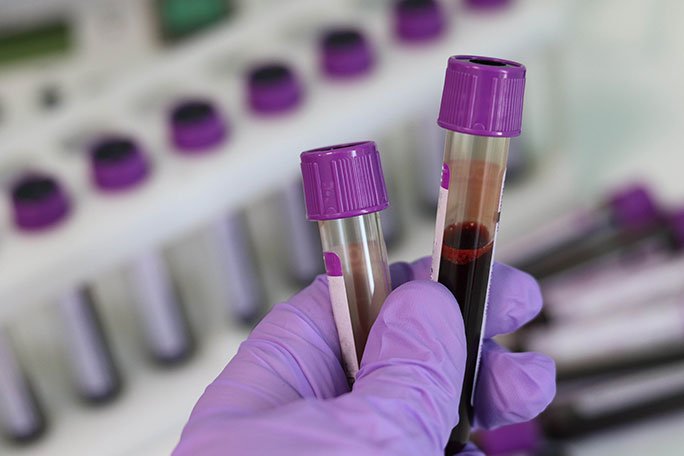
Identifying Hemolyzed Samples
Whether you are a healthcare professional or a laboratory technician, identifying hemolyzed samples is crucial in ensuring accurate test results and providing quality patient care. Hemolysis, the breakdown of red blood cells and release of hemoglobin into the serum or plasma, can affect the interpretation of laboratory tests and compromise patient safety. In this blog post, we will discuss the causes and consequences of hemolysis, as well as methods for detecting and preventing hemolyzed samples.

How To Avoid Sample Hemolysis
When drawing blood samples for laboratory testing, it is important to ensure that the sample remains intact and free from contamination. One common issue that can occur during the blood collection process is hemolysis, which is the breaking down of red blood cells and the release of their contents into the plasma. Hemolysis can affect the accuracy of test results and potentially lead to incorrect diagnoses and treatment plans. In this article, we will discuss how to avoid sample hemolysis to ensure accurate testing results.

Hemolysis In Blood Collection Tubes
Hemolysis in blood collection tubes is a common issue that can have a significant impact on laboratory test results. Understanding the causes of hemolysis and how to prevent it is crucial for healthcare professionals to ensure accurate and reliable test results. In this article, we will explore the causes of hemolysis in blood collection tubes and provide valuable tips on how to prevent it.

Factors Influencing Hemolysis In Samples
Hemolysis, the destruction of red blood cells and the release of cellular contents into the blood plasma, can have a significant impact on laboratory test results. Understanding the factors that influence hemolysis in samples is crucial for ensuring accurate and reliable test results. In this blog post, we will explore some of the key factors that can contribute to hemolysis in samples and discuss strategies for preventing and minimizing its effects.
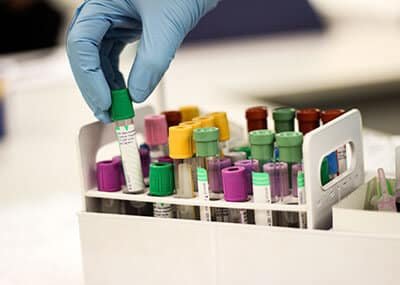
Proper Handling Of Hemolyzed Samples
Hemolysis is a common occurrence in laboratory testing when red blood cells rupture and release their contents into the plasma or serum. This can lead to inaccurate test results and potentially affect patient care. Proper handling of hemolyzed samples is crucial to ensure the reliability of laboratory tests and the accuracy of patient diagnoses.

Handling Hemolyzed Blood Samples
Hemolysis, the breakdown of red blood cells and release of hemoglobin into the surrounding fluid, can be a common issue in the medical field, especially when handling blood samples. Hemolyzed blood samples can result in inaccurate test results, leading to potential misdiagnoses and patient harm. In this blog post, we will explore the causes of hemolysis in blood samples and discuss how to properly handle and prevent hemolysis in order to ensure accurate test results.

Effects Of Hemolysis On Lab Results
When blood samples are taken for laboratory testing, it is essential that the sample is handled properly to ensure accurate results. Hemolysis, the breakdown of red blood cells, can impact the quality of the sample and lead to unreliable test results. In this article, we will explore the effects of hemolysis on lab results and the importance of preventing this phenomenon.

Hemolyzed Samples Prevention Methods
When working in a clinical laboratory, one of the most common challenges faced by laboratory technicians is dealing with hemolyzed samples. Hemolysis occurs when red blood cells break apart, releasing their contents into the plasma or serum. This can affect the accuracy of test results and make it difficult to obtain reliable data. In this article, we will discuss several methods to prevent hemolysis in samples and ensure the quality of test results.
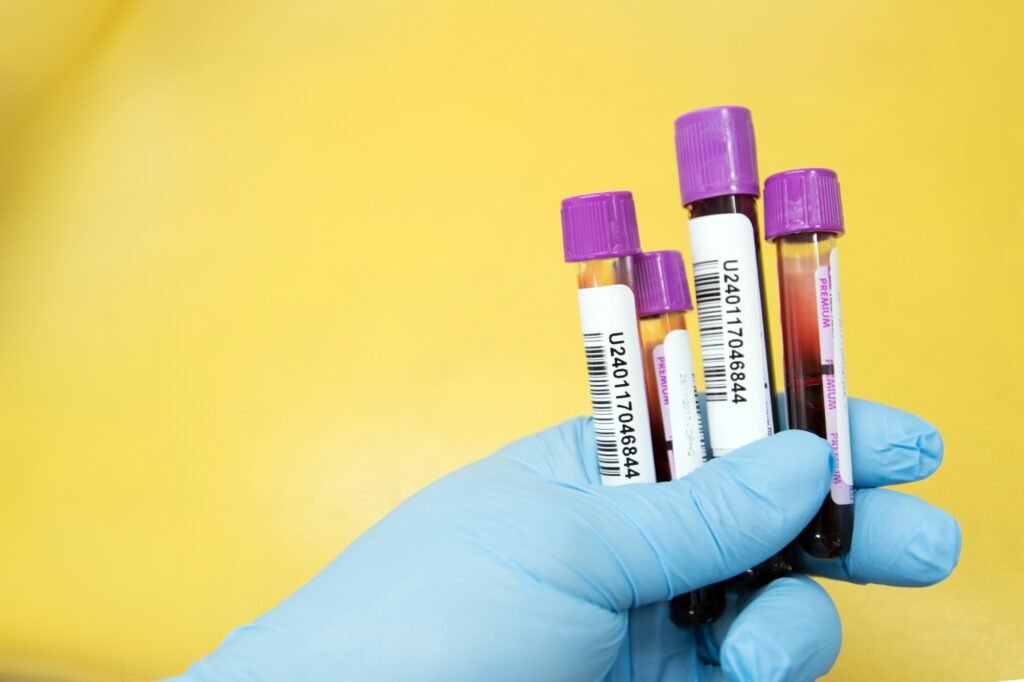
Handling Hemolyzed Samples From Collection Tubes
When working in a clinical laboratory setting, it is not uncommon to encounter hemolyzed samples from collection tubes. Hemolysis occurs when red blood cells rupture and release their contents into the plasma or serum, causing a pink or red discoloration of the sample. Handling hemolyzed samples properly is crucial to ensure accurate test results and provide quality patient care.

Privacy And Safety In Blood Tube Use For Remote Health Watching.
Remote health monitoring has become increasingly popular in recent years, allowing patients to track their health conditions from the comfort of their own homes. One common tool used for remote health monitoring is the blood tube, which allows patients to easily collect blood samples for testing. While blood tubes offer convenience and efficiency, it is important to consider the privacy and safety implications of their use.
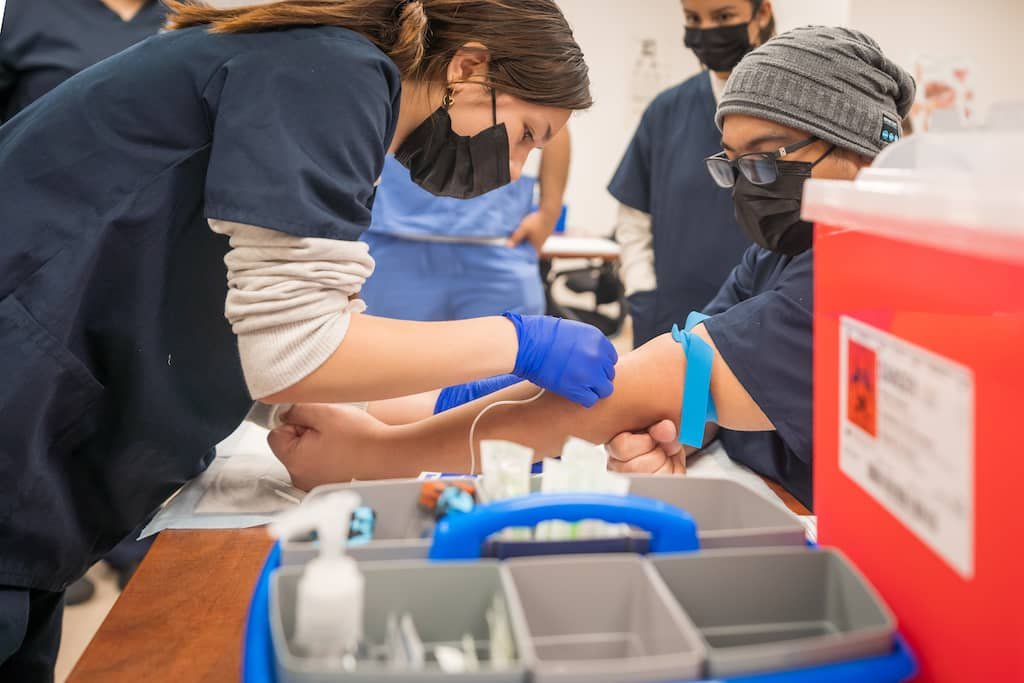
Storage And Transport Of Blood Tubes For Remote Patient Monitoring
Remote patient monitoring is an increasingly popular way for healthcare providers to keep track of their patients' health without the need for frequent in-person visits. One important aspect of remote patient monitoring is the storage and transport of blood tubes for testing. In this article, we will discuss the best practices for storing and transporting blood tubes to ensure accurate test results and the safety of both patients and medical professionals.
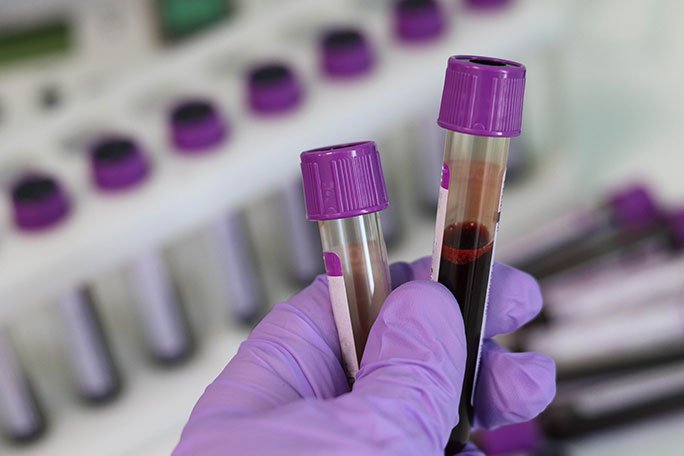
Role Of Blood Tubes In Telehealth Services
Telehealth services have revolutionized the way healthcare is delivered to patients, allowing individuals to access medical care remotely through technology. One key component of telehealth services is the use of blood tubes for collecting and analyzing blood samples. In this article, we will explore the role of blood tubes in telehealth services and the importance of proper blood sample collection and handling.