

Cost-Effectiveness Of Different Blood Tubes
When collecting blood samples for testing, healthcare professionals have a variety of blood tubes to choose from. Each type of blood tube has its own set of advantages and disadvantages, including cost-effectiveness. In this article, we will explore the cost-effectiveness of different blood tubes and discuss factors that influence their costs.

Shelf Life Of Coagulation Tubes
In the medical field, coagulation tubes are an essential tool for collecting blood samples and testing for clotting disorders. These tubes are specially designed to promote blood coagulation, allowing healthcare professionals to obtain accurate test results. However, like all medical supplies, coagulation tubes have a limited shelf life that must be carefully considered to ensure the reliability of test results. In this article, we will explore the shelf life of coagulation tubes, how to properly store them, and the potential consequences of using expired tubes.

Coagulation Tubes And Platelet Function Tests
Coagulation tubes and platelet function tests are essential tools in the diagnosis and monitoring of various blood disorders and diseases. Understanding the importance of these tests and how they are conducted can provide valuable insights into a patient's health status and guide treatment decisions. In this article, we will explore the different types of coagulation tubes, the role of platelet function tests, and how they are used in clinical practice.
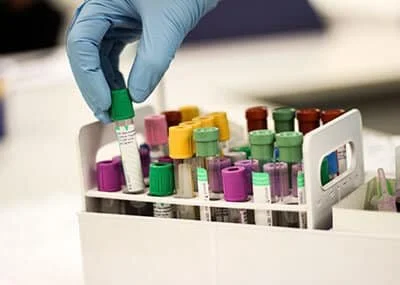
Color Coding Of Coagulation Tubes
Color coding of coagulation tubes is an essential aspect of laboratory testing. These tubes are used to collect blood samples for coagulation studies, which help determine a patient's risk of bleeding or clotting disorders. By using color-coded tubes, laboratory technicians can easily identify the type of additive present in the tube, which is crucial for accurate test results. In this blog post, we will discuss the different color codes used for coagulation tubes and their significance in the laboratory setting.

Dealing With Hemolysis In Coagulation Tubes
When collecting blood samples for coagulation testing, it is important to ensure that the sample is of high quality and free from any interference that could affect the results. One common issue that can occur during blood collection is hemolysis, which is the breaking down of red blood cells and release of their contents into the plasma or serum. In this blog post, we will discuss what hemolysis is, why it is a problem in coagulation testing, and how to prevent and deal with hemolysis in coagulation tubes.

Mixing Techniques For Coagulation Tubes
When it comes to blood collection, proper mixing techniques for coagulation tubes are essential in order to ensure accurate and reliable test results. Coagulation tubes are used to collect blood samples for various coagulation tests, which help healthcare professionals diagnose and monitor conditions such as bleeding disorders, clotting disorders, and liver disease.

Order Of Draw In Coagulation Studies
When it comes to drawing blood for coagulation studies, following the correct order can make a significant difference in the accuracy of the results. The Order of Draw is a critical concept in phlebotomy that ensures samples are collected in the proper sequence to prevent cross-contamination and ensure accurate test results. In this article, we will explore the importance of the Order of Draw in coagulation studies and provide a detailed guide on how to follow this protocol correctly.
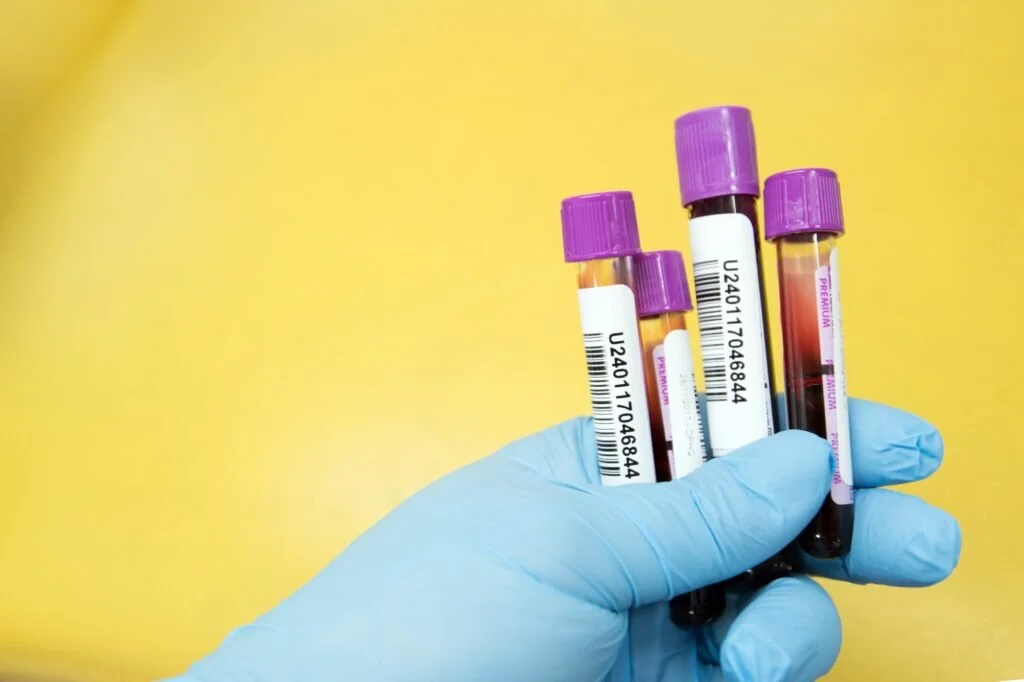
Tube Fill Volume In Coagulation Studies
When it comes to performing coagulation studies, one important factor to consider is the tube fill volume. The volume of blood collected in each tube can have an impact on the accuracy and reliability of the test results. In this article, we will explore the importance of tube fill volume in coagulation studies and how it can affect the quality of the results.

Types Of Tubes For Coagulation Studies
When it comes to conducting coagulation studies in the laboratory, it is essential to use the right type of tubes to ensure accurate results. Different types of tubes are available for collecting blood samples for coagulation studies, each with their own unique properties and advantages. In this article, we will explore the various types of tubes commonly used for coagulation studies and discuss their differences.

Precautions For Coagulation Blood Draw
Having blood work done is a common medical procedure that helps doctors diagnose and monitor various health conditions. One important aspect of blood draws is the process of coagulation - the body's ability to form blood clots. In some cases, patients may have issues with coagulation that can affect the accuracy of their blood test results. In this blog post, we'll discuss some important precautions to keep in mind when preparing for a coagulation blood draw.
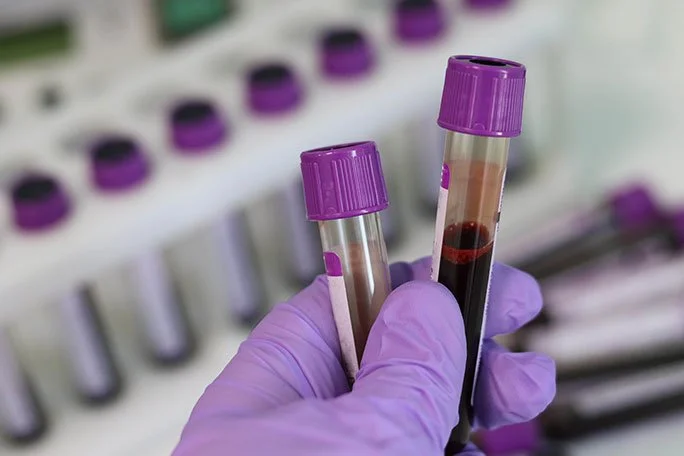
Best Positioning For Coagulation Blood Collection
When it comes to coagulation blood collection, proper positioning of the patient is essential to ensure accurate results and minimize discomfort. Improper positioning can lead to hematomas, difficulty locating veins, and inaccurate test results. In this article, we will discuss the best positioning for coagulation blood collection to help healthcare professionals improve their collection techniques and deliver better patient care.

Blood Collection Tubes For Coagulation Studies
When it comes to conducting coagulation studies, having the right blood collection tubes is crucial. The type of tube used can impact the accuracy of test results, so it's important to understand the different options available and when to use them. In this article, we will explore the various blood collection tubes commonly used for coagulation studies and their purposes.