

How Automated Labs Handle Blood Samples
In recent years, advancements in technology have revolutionized the way laboratories operate. One significant development is the automation of lab processes, which has streamlined workflows, improved efficiency, and enhanced accuracy in test results. In this article, we'll delve into how automated labs handle blood samples, the benefits of automation in lab settings, and the future of automated testing.

Centralization Of Blood Sampling In Automated Labs
As technology continues to advance, the healthcare industry is seeing a shift towards centralization in various processes, including blood sampling. Automated labs are playing a significant role in this centralization by streamlining the blood sampling process and improving efficiency. In this article, we will explore the benefits of centralizing blood sampling in automated labs and how it is revolutionizing the healthcare industry.
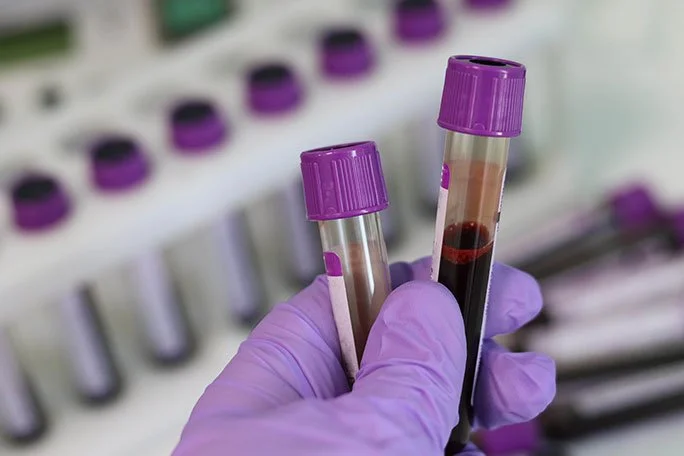
Maintaining Blood Specimen Integrity In Automated Labs
Automated laboratories have revolutionized the way medical tests are conducted, providing faster and more accurate results than traditional manual methods. However, the quality of the blood specimens collected for testing is crucial to ensure the reliability and accuracy of the results. In this article, we will explore the importance of maintaining blood specimen integrity in automated labs and discuss some key strategies to achieve this goal.

Impact Of Automation On Blood Testing
Advances in technology have revolutionized many industries, including healthcare. One area that has seen significant changes is blood testing. Automation has played a key role in improving the efficiency, accuracy, and speed of blood tests, leading to better patient outcomes and more streamlined processes for healthcare providers. In this blog post, we will explore the impact of automation on blood testing and how it has transformed the way medical professionals diagnose and treat patients.

Blood Tube Handling Precautions In The Lab
Handling blood tubes in a laboratory setting requires special care and attention to ensure the safety of both healthcare workers and patients. Proper handling of blood tubes is essential to maintain the integrity of the samples and prevent contamination. In this article, we will discuss some important precautions to follow when handling blood tubes in the lab.

Automated Systems For Blood Sampling
In the medical field, blood sampling is a crucial process that provides valuable information about a patient's health. Traditional blood sampling methods involve manual techniques that can be time-consuming, prone to errors, and uncomfortable for patients. However, with the advancement of technology, automated systems for blood sampling have been developed to streamline the process and improve efficiency. In this article, we will explore the revolution of automated systems for blood sampling and the benefits they offer in healthcare settings.
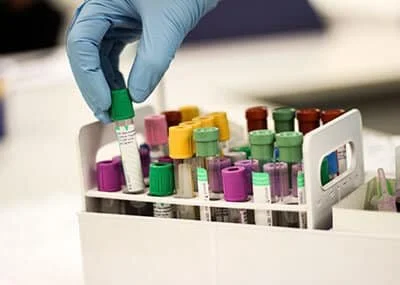
Blood Tube Transport In Automated Labs
Automated labs have revolutionized the way medical tests are conducted, providing faster and more accurate results for patients. One crucial aspect of automated labs is the transport of blood tubes, which contain samples that need to be analyzed. In this article, we will explore the importance of proper blood tube transport in automated labs and discuss best practices for ensuring the integrity of samples.

Blood Tube Handling In Laboratory Automation
Automation has revolutionized many industries, and the field of laboratory testing is no exception. One key aspect of laboratory automation is the handling of blood tubes, which contain vital samples for various diagnostic tests. In this blog post, we will explore the importance of proper blood tube handling in laboratory automation, as well as best practices for ensuring accurate and reliable test results.

Role Of Anticoagulants In Blood Collection Tubes
Anticoagulants play a crucial role in blood collection tubes by preventing the blood from clotting. Clotting can alter the results of various laboratory tests, leading to inaccurate diagnoses and treatment plans. In this article, we will explore the importance of anticoagulants in blood collection tubes and the different types of anticoagulants commonly used in the medical field.

Blood Collection Techniques In Healthcare
Blood collection is a crucial aspect of healthcare, as it provides valuable information for diagnosing and treating various medical conditions. Understanding the different techniques involved in blood collection is essential for healthcare professionals to ensure accurate and efficient results. In this article, we will explore the various blood collection techniques used in healthcare settings.

Phlebotomy Equipment And Supplies
Are you a phlebotomist or healthcare professional looking to learn more about phlebotomy equipment and supplies? In this comprehensive guide, we will cover everything you need to know about the tools of the trade, from needles and tubes to tourniquets and gauze. Let's dive in!

Contamination Risks In Blood Collection
Blood collection is a crucial part of healthcare, as it allows for various tests, transfusions, and donations. However, there are significant risks of contamination during this process that can lead to serious consequences for both the donor and the recipient. In this article, we will explore the various contamination risks in blood collection and ways to mitigate them.