

Tube Adaptations For Microsampling In Research
In the world of scientific research, ensuring accurate and efficient sampling methods is crucial for obtaining reliable data. Tube adaptations for microsampling have become increasingly popular in recent years, allowing researchers to collect small volumes of samples with precision and ease. In this article, we will explore the benefits of tube adaptations for microsampling in research and how they are revolutionizing the way samples are collected and analyzed.

Microsampling Equipment: Tube Adaptations
Microsampling equipment has become increasingly popular in various industries for its ability to accurately collect small samples of liquids or gases. One crucial component of microsampling equipment is tube adaptations, which allow for the efficient collection and transfer of samples. In this article, we will explore the importance of tube adaptations in microsampling equipment and discuss the different types of tube adaptations available.

Benefits Of Tube Adaptations For Microsampling
Microsampling is a technique that involves collecting small amounts of blood, plasma, or serum for analysis. This method is becoming increasingly popular in research and clinical settings due to its many benefits, including reduced waste and improved sample quality. One key factor that affects the success of microsampling is the type of collection tube used. In this article, we will discuss the benefits of tube adaptations for microsampling.
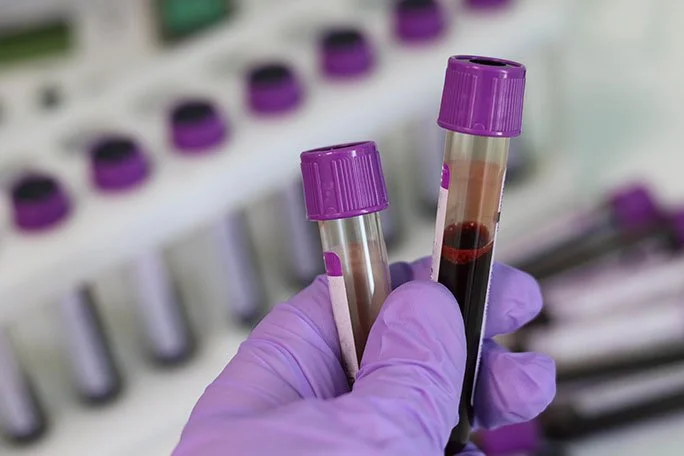
Tube Adaptations For Microsampling Techniques
When it comes to microsampling techniques, the use of tube adaptations is crucial in ensuring accurate and reliable results. In this article, we will explore the importance of tube adaptations in microsampling techniques and how they can impact the quality of the samples collected.

Tube Adaptations For Microsampling
Microsampling is a technique used in various fields such as healthcare, research, and environmental monitoring to collect small amounts of liquid samples for analysis. One of the key components in microsampling is the tube used to store and transport the samples. In this article, we will explore different tube adaptations that have been developed specifically for microsampling purposes.

Ethics In Blood Tube Procurement.
When it comes to healthcare, ethics play a crucial role in ensuring that patients receive the best possible care while maintaining their rights and dignity. One area where ethics is particularly important is in blood tube procurement. In this article, we will explore the ethical considerations surrounding the procurement of blood tubes in a healthcare setting.

Future Trends In Blood Tube Procurement
As technology continues to advance and healthcare systems evolve, the field of blood tube procurement is also seeing significant changes. From the use of innovative materials to the implementation of sophisticated tracking systems, the future of blood tube procurement is shaping up to be more efficient and effective than ever before. In this article, we will explore some of the key trends that are likely to shape the future of blood tube procurement.

Blood Tube Procurement In Healthcare
Blood tube procurement is a critical aspect of healthcare operations, as it directly impacts the efficiency and accuracy of laboratory testing. Healthcare providers rely on blood tubes to collect, store, and transport blood specimens for analysis, making it essential to have a streamlined procurement process in place. In this article, we will explore the importance of blood tube procurement in healthcare and discuss best practices for ensuring a reliable supply of quality blood tubes.

Evaluation Of Blood Tube Procurement Strategies
When it comes to running a successful medical laboratory, one of the most crucial aspects is ensuring that you have an efficient and effective blood tube procurement strategy in place. Blood tubes are a fundamental tool for collecting and preserving blood samples for diagnostic testing. In this article, we will evaluate the different procurement strategies for blood tubes and discuss their importance in the smooth operation of a medical laboratory.

Cost-Effective Blood Tube Procurement Strategies
As healthcare costs continue to rise, hospitals and medical facilities are constantly looking for ways to cut costs without compromising patient care. One area where significant savings can be realized is in the procurement of blood tubes. By implementing cost-effective procurement strategies, facilities can reduce expenses without sacrificing the quality of care provided to patients. In this article, we will discuss some strategies that can help facilities save money on blood tube procurement.

Improving Blood Tube Procurement Processes
Ensuring a smooth and efficient blood tube procurement process is crucial for healthcare facilities to provide quality care to their patients. By improving the processes involved in acquiring blood tubes, healthcare providers can streamline operations, reduce costs, and ultimately enhance patient outcomes. In this article, we will discuss various strategies and best practices for improving blood tube procurement processes.

Innovations In Blood Tube Procurement
When it comes to healthcare, one of the most crucial aspects is the procurement of blood tubes. These small tubes play a vital role in the diagnosis and treatment of various medical conditions, as they are used to collect blood samples for testing. Blood tube procurement is a critical process that must be done accurately and efficiently to ensure the well-being of patients.
In recent years, there have been several innovations in the field of blood tube procurement that have revolutionized the way healthcare providers collect and analyze blood samples. These advancements have not only made the process more convenient and accurate but have also improved patient outcomes.