
Applications Of Next-Generation Sequencing
In recent years, Next-generation sequencing (NGS) technology has revolutionized the field of genomics and opened up a wide range of applications in various areas of research and healthcare. NGS allows for the rapid sequencing of millions of DNA fragments simultaneously, enabling scientists to study genetic variations, identify disease-causing mutations, and personalize medical treatments. In this blog post, we will explore some of the key applications of Next-generation sequencing and the impact it is having on science and medicine.
Next-Generation Sequencing Technologies
In recent years, advancements in sequencing technologies have revolutionized the field of genomics. Next-generation sequencing (NGS) technologies have enabled researchers to sequence DNA and RNA faster, cheaper, and with higher throughput than ever before. This has led to breakthroughs in various areas of biology, medicine, and agriculture. In this article, we will explore the evolution of NGS technologies, their applications, and the impact they are having on research and healthcare.
Next-Generation Sequencing
Welcome to our blog post on next-generation sequencing (NGS)! In this article, we will explore what NGS is, how it works, its applications, and the future of this groundbreaking technology.
PCR Technology In Medical Diagnostics
PCR technology, or polymerase chain reaction, has revolutionized the field of medical diagnostics. This powerful technique allows for the amplification of specific DNA sequences, enabling the detection and diagnosis of various diseases with high precision and sensitivity. In this article, we will explore the principles behind PCR technology, its applications in medical diagnostics, and the future potential of this groundbreaking technology.
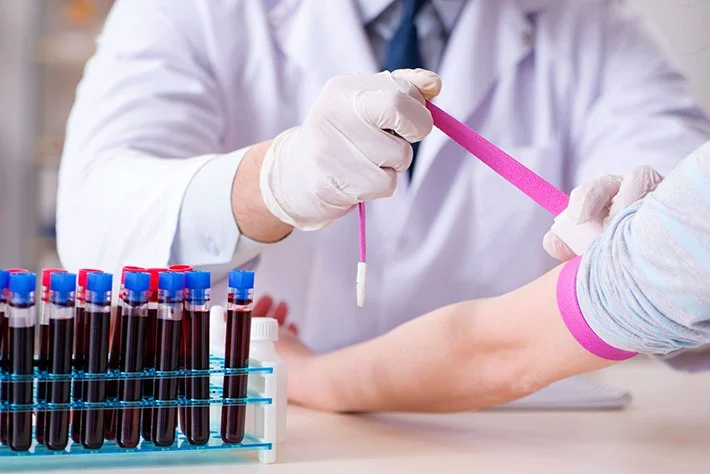
Importance Of Pcr In Disease Diagnosis
PCR, or polymerase chain reaction, is a crucial tool in disease diagnosis. This revolutionary technique allows scientists and medical professionals to amplify and analyze DNA, making it easier to detect pathogens and genetic mutations. In this blog post, we will explore the importance of PCR in disease diagnosis, and how it has revolutionized the field of medicine.

Role Of PCR In Diagnostic Medicine
PCR, or polymerase chain reaction, is a powerful molecular biology technique that has revolutionized the field of diagnostic medicine. This technique allows for the amplification of specific DNA sequences, making it an essential tool for detecting and diagnosing a wide range of diseases and conditions. In this article, we will explore the role of PCR in diagnostic medicine and how it has transformed the way we approach healthcare.
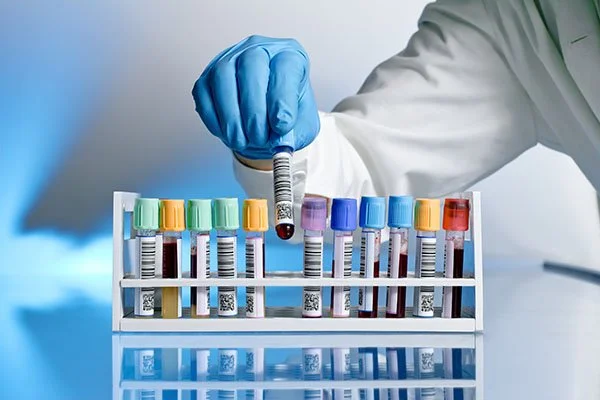
PCR Based Diagnostic Techniques
PCR-based diagnostic techniques have revolutionized the field of molecular biology and have become indispensable tools in various scientific disciplines such as medicine, microbiology, genetics, and forensics. This article will explore the principles behind PCR, its applications, and the significance of this technology in diagnosing various diseases.
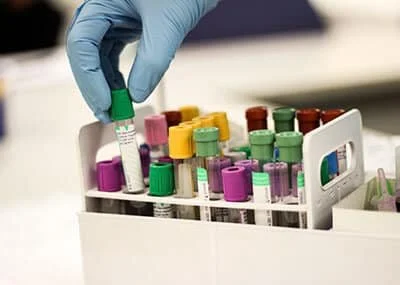
Advances In PCR Diagnostics
PCR (polymerase chain reaction) diagnostics have revolutionized the field of molecular biology and healthcare in recent years. This powerful technique allows scientists and medical professionals to detect and analyze DNA and RNA sequences with unparalleled precision and speed. As technology continues to advance, so do the capabilities of PCR diagnostics. In this blog post, we will explore the latest advances in PCR diagnostics and their impact on modern medicine.

Understanding Pcr In Diagnostics
PCR, or polymerase chain reaction, is a widely-used molecular biology technique that plays a crucial role in diagnostics. Understanding PCR is essential for researchers and healthcare professionals who rely on this technique for identifying and characterizing genetic material. In this article, we will delve into the basics of PCR, its applications in diagnostics, and the various types of PCR techniques used today.
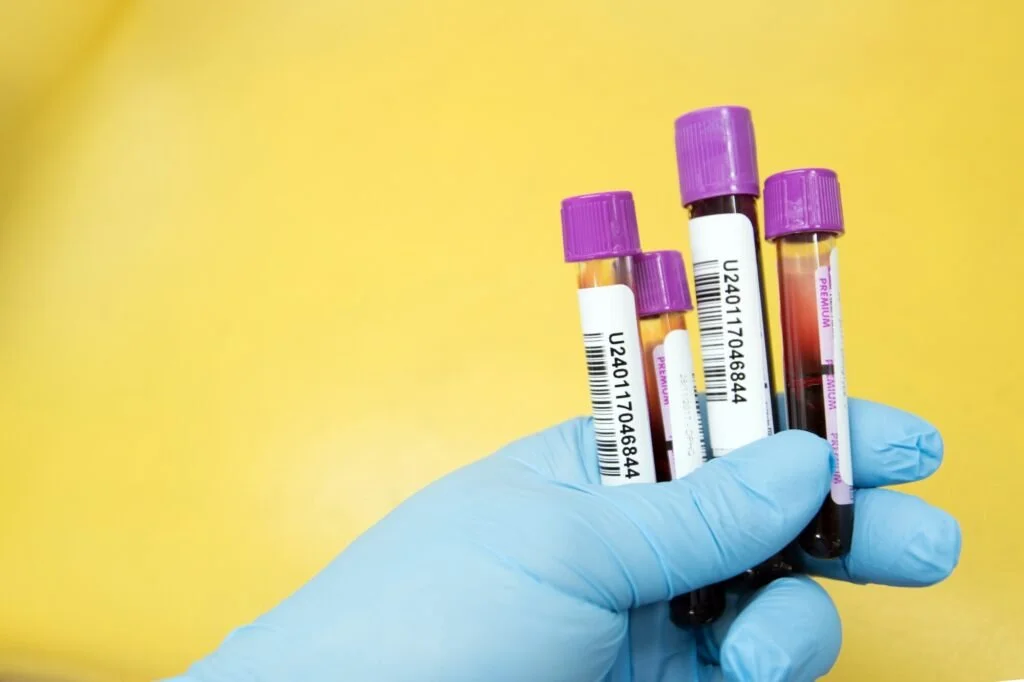
PCR Technology In Diagnostics Applications
PCR (Polymerase Chain Reaction) technology has revolutionized the field of molecular biology and diagnostics. This powerful technique allows for the amplification of specific DNA sequences, making it a valuable tool for a wide range of applications, including disease diagnosis, genetic testing, and forensic analysis. In this article, we will explore the key role that PCR technology plays in diagnostics applications and how it has transformed the way we detect and analyze diseases.
PCR Technology In Diagnostics
PCR technology, also known as polymerase chain reaction, is a powerful tool used in diagnostics to detect and analyze genetic material with high precision and sensitivity. Since its development in the 1980s by Kary Mullis, PCR has revolutionized the field of molecular biology and has become an indispensable technique in various fields such as medicine, forensics, and biotechnology. In this blog post, we will explore the fundamentals of PCR technology, its applications in diagnostics, and its impact on healthcare.
Troubleshooting Clinical Chemistry Analyzers
Clinical chemistry analyzers play a crucial role in the healthcare industry by providing accurate and reliable test results that help medical professionals diagnose and treat patients effectively. However, like any other technology, these analyzers can sometimes encounter issues that may hinder their performance. In this article, we will discuss the importance of troubleshooting clinical chemistry analyzers and provide some tips on how to effectively address common problems.