

Hemoglobinopathies Diagnosis Methods
Hemoglobinopathies are a group of genetic disorders caused by mutations in the genes that encode hemoglobin. These disorders can lead to abnormal structure or production of hemoglobin, resulting in a variety of symptoms ranging from mild to severe. Diagnosing hemoglobinopathies is crucial in order to provide appropriate treatment and management for affected individuals. In this article, we will explore the various methods used for diagnosing hemoglobinopathies.
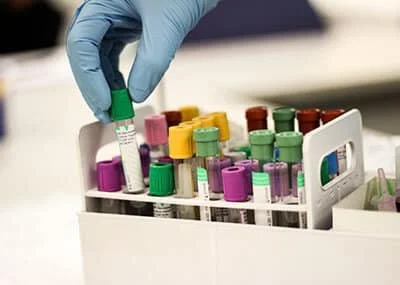
Hemoglobinopathies Diagnosis
Diagnosing hemoglobinopathies is an important step in managing patients with these genetic disorders. Hemoglobinopathies are a group of genetic disorders characterized by abnormal hemoglobin production. These disorders can lead to a range of symptoms, from mild anemia to severe complications. In this article, we will discuss the different methods used to diagnose hemoglobinopathies, including laboratory tests, genetic testing, and other diagnostic tools.

Liquid Biopsy In Personalized Medicine
Welcome to our latest blog post, where we will be discussing the exciting developments in personalized medicine through the use of liquid biopsy. Liquid biopsy is a non-invasive method for detecting and monitoring various diseases by analyzing biomarkers in bodily fluids such as blood, urine, and saliva. This revolutionary technique has the potential to revolutionize the field of personalized medicine by providing real-time information about a patient's health status, disease progression, and response to treatment.

Cost Of Liquid Biopsy
Liquid biopsy is a revolutionary medical testing method that allows for the detection and analysis of biomarkers in bodily fluids such as blood, urine, and saliva. This non-invasive technique has the potential to transform cancer diagnosis, monitoring, and treatment. However, one of the major concerns surrounding liquid biopsy is its cost. In this blog post, we will explore the factors that contribute to the cost of liquid biopsy and discuss the implications for patients and healthcare providers.

Liquid Biopsy For Early Cancer Detection
Early detection of cancer is crucial for successful treatment and improved patient outcomes. Traditional methods of cancer diagnosis, such as imaging tests and tissue biopsies, can be invasive, expensive, and time-consuming. Liquid biopsy has emerged as a promising non-invasive tool for early cancer detection. In this article, we will explore the concept of liquid biopsy and its potential applications in the field of oncology.
Limitations Of Liquid Biopsy
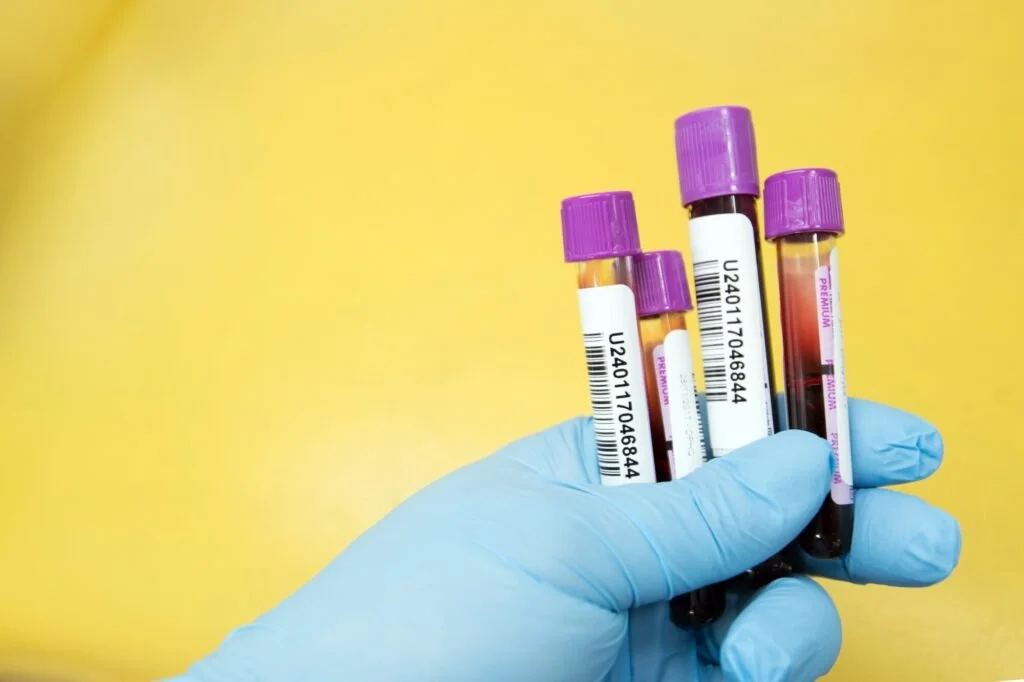
Advances in medical technology have revolutionized the way we diagnose and treat diseases. One such advancement is the liquid biopsy, a non-invasive method of obtaining information about a patient's health through a simple blood test. While liquid biopsies offer many benefits, including early detection of cancer and monitoring treatment effectiveness, there are also limitations to this method that must be considered.

Liquid Biopsy For Breast Cancer
Advancements in medical technology have led to the development of liquid biopsy as a non-invasive method for detecting and monitoring cancer. Liquid biopsy, also known as fluid biopsy, is a test that can detect genetic material, proteins, or other substances released by cancer cells into the blood or other bodily fluids. In the case of breast cancer, liquid biopsy has emerged as a promising tool for early detection, monitoring treatment efficacy, and predicting disease progression.
Accuracy Of Liquid Biopsy
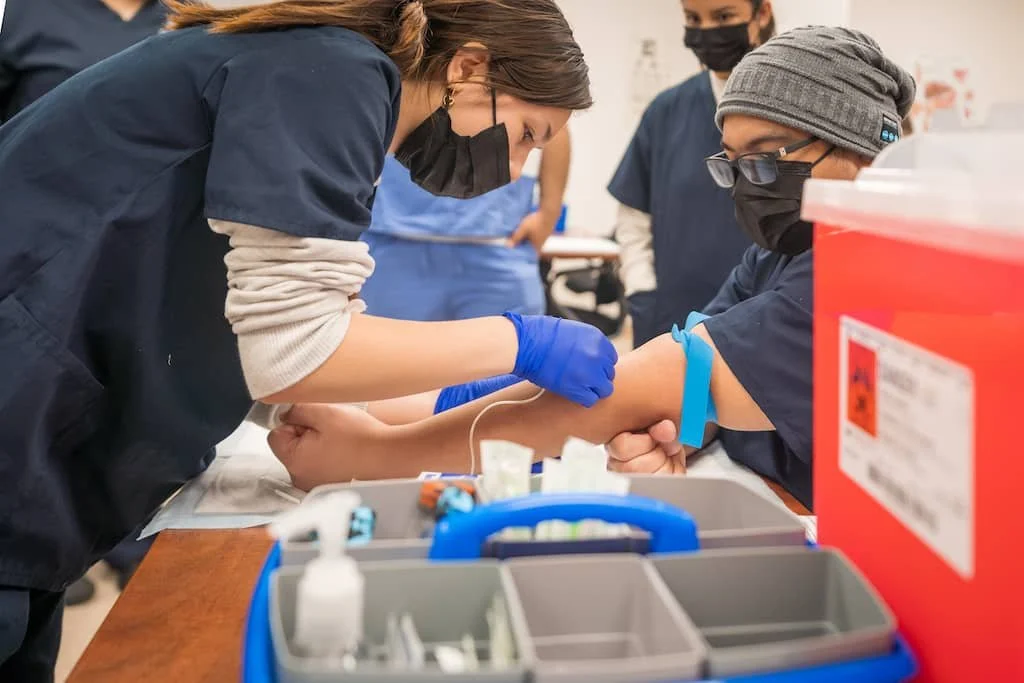
As technology continues to advance in the field of medicine, new methods of diagnosis and treatment are constantly being developed. One such advancement that has gained popularity in recent years is liquid biopsy. This non-invasive procedure involves analyzing biomarkers in bodily fluids such as blood or urine to detect and monitor various diseases, including cancer.
Liquid Biopsy For Lung Cancer
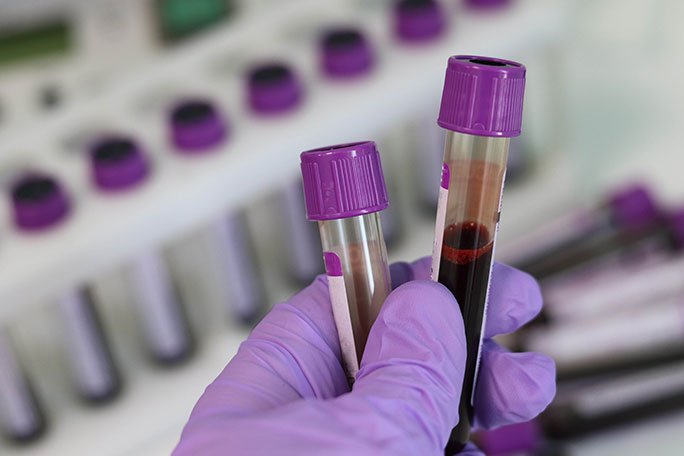
Lung cancer is one of the most common types of cancer worldwide, with millions of new cases diagnosed each year. Traditional methods of diagnosing lung cancer typically involve invasive procedures such as biopsies, which can be uncomfortable and pose risks to the patient. However, advances in medical technology have led to the development of liquid biopsy as a non-invasive alternative for detecting and monitoring lung cancer.
Liquid Biopsy Vs Solid Biopsy
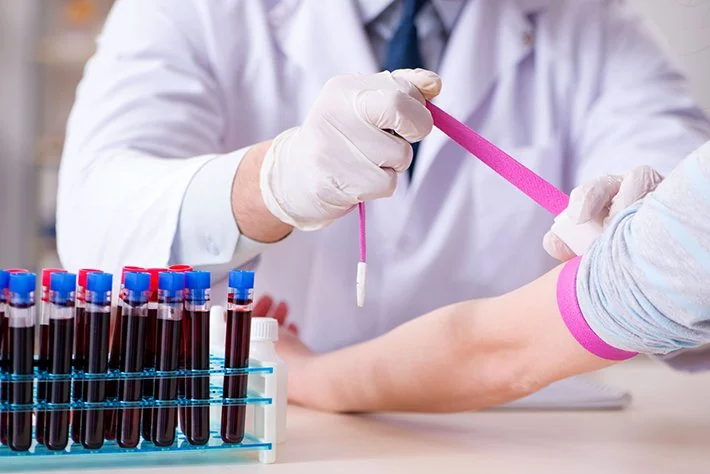
Biopsies are a crucial tool in diagnosing and monitoring various medical conditions, including cancer. Traditionally, solid biopsies have been the standard method for obtaining tissue samples for analysis. However, in recent years, liquid biopsies have gained popularity as a less invasive and potentially more effective alternative. In this article, we will explore the differences between liquid biopsies and solid biopsies, their advantages and limitations, and their applications in healthcare.

Advances In Liquid Biopsy
Advances in liquid biopsy have revolutionized the field of cancer detection and monitoring. Liquid biopsy is a non-invasive method of analyzing biomarkers in bodily fluids such as blood, urine, or cerebrospinal fluid to detect and monitor various diseases, including cancer. In this blog post, we will explore the latest advances in liquid biopsy technology and how they are changing the landscape of cancer diagnosis and treatment.
Liquid Biopsy For Cancer Detection
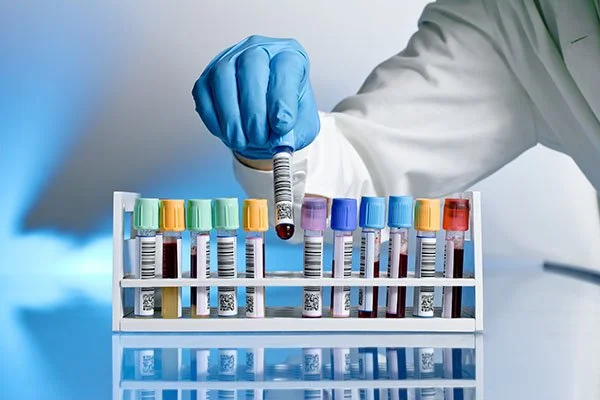
Advances in technology have revolutionized the way we detect and treat cancer. One such innovation is liquid biopsy, a non-invasive method for detecting cancer through a simple blood test. In this article, we will explore the technology behind liquid biopsy and its potential applications in cancer detection.