
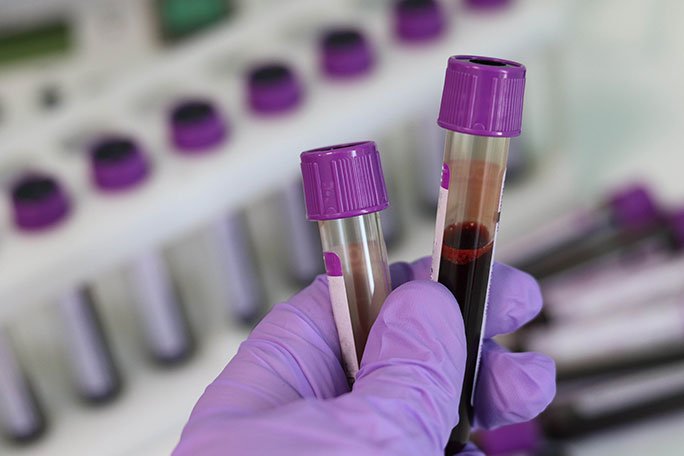
Types Of Prenatal And Neonatal Screening
Screening tests during pregnancy and after birth are essential to monitor the health of both the mother and the baby. Prenatal screening helps identify any potential risks or complications that may arise during pregnancy, while neonatal screening helps detect any health conditions in the newborn that may require early intervention. In this article, we will discuss the different types of prenatal and neonatal screening tests that are available.

Significance Of Prenatal And Neonatal Screening
One of the most important aspects of ensuring a healthy start in life for a newborn is prenatal and neonatal screening. These screenings help to identify any potential health issues early on, allowing for timely intervention and treatment. In this article, we will explore the significance of prenatal and neonatal screening in promoting the health and well-being of infants.

Prenatal And Neonatal Screening
Prenatal and neonatal screening are vital components of prenatal care that help identify potential health issues in both the mother and baby. These screenings can provide valuable information that can guide healthcare providers in making informed decisions about care and treatment. In this article, we will explore the importance of prenatal and neonatal screening, the different types of screenings available, and how they can benefit both mother and baby.

Understanding Cardiovascular Diagnostics Results.
Cardiovascular diagnostics play a crucial role in the early detection, monitoring, and treatment of heart-related conditions. From blood tests to imaging studies, there are various diagnostic tools available to healthcare providers to assess the health of a patient's heart. However, interpreting the results of these tests can be complex and confusing for the average person. In this article, we will break down some common cardiovascular diagnostics results and explain what they mean for your heart health.
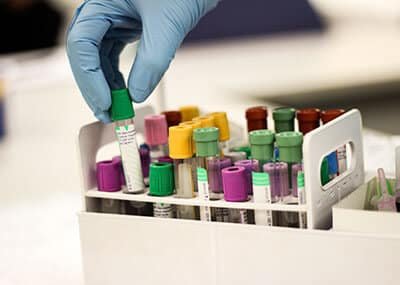
Limitations Of Cardiovascular Diagnostics
Cardiovascular diagnostics play a crucial role in identifying and managing heart conditions. These tests help healthcare professionals determine the overall health of the heart and blood vessels, detect heart disease, and monitor the effectiveness of treatments. However, like any medical test, cardiovascular diagnostics have limitations that must be considered. In this article, we will explore some of the common limitations of cardiovascular diagnostics and how healthcare professionals can navigate these challenges.

Cardiovascular Diagnostics Equipment
Cardiovascular disease is the leading cause of death worldwide, responsible for millions of deaths each year. Early detection and accurate diagnosis are crucial in managing and treating cardiovascular conditions. Cardiovascular diagnostics equipment plays a vital role in identifying heart-related issues, allowing healthcare providers to implement appropriate treatment plans. In this article, we will explore the importance of cardiovascular diagnostics equipment, the different types available, and how they are used in clinical settings.

Role Of Cardiovascular Diagnostics In Healthcare
Cardiovascular disease is a leading cause of death worldwide, with millions of people suffering from heart-related issues each year. In order to effectively diagnose and treat these conditions, healthcare providers rely on a variety of cardiovascular diagnostics. These tests and procedures are crucial for identifying risk factors, monitoring heart health, and developing treatment plans. In this blog post, we will explore the role of cardiovascular diagnostics in healthcare, including the different types of tests available and their importance in managing heart disease.

Cardiovascular Diagnostics And Treatment
Cardiovascular disease is a leading cause of death worldwide, with millions of people suffering from heart-related issues every year. Fortunately, advancements in technology have led to significant improvements in cardiovascular diagnostics and treatment options. In this article, we will discuss the latest innovations in cardiovascular diagnostics and treatment that are helping patients live longer, healthier lives.

Interpreting Cardiovascular Diagnostics Results
Cardiovascular diagnostics play a crucial role in the assessment and management of heart health. When a patient undergoes testing for cardiovascular issues, the results can be complex and sometimes difficult to interpret. Understanding these results is essential for healthcare professionals to make accurate diagnoses and develop appropriate treatment plans. In this article, we will explore how to interpret cardiovascular diagnostics results and what they can reveal about a patient's heart health.

Advantages Of Cardiovascular Diagnostics
Cardiovascular diagnostics play a crucial role in identifying and managing heart conditions. These tests provide valuable information about the health of the heart and can help healthcare providers make informed decisions about treatment options. In this article, we will explore the advantages of cardiovascular diagnostics and how they can benefit patients.

Cardiovascular Diagnostics Tests
Cardiovascular disease is the leading cause of death worldwide, responsible for about 17.9 million deaths each year. Early detection and diagnosis are essential for effective treatment and management of cardiovascular conditions. In this article, we will explore the different diagnostic tests used to assess the health of the cardiovascular system.

Latest Advancements In Cardiovascular Diagnostics
Cardiovascular disease is a leading cause of death worldwide, making early diagnosis and intervention crucial in saving lives. Fortunately, advancements in cardiovascular diagnostics have made it easier than ever to identify and treat heart issues before they become life-threatening. In this article, we will explore the latest developments in cardiovascular diagnostics and how they are revolutionizing the field of cardiology.