

Role Of Anticoagulants In Blood Sampling
When it comes to blood sampling, the use of anticoagulants plays a crucial role in ensuring the accuracy and integrity of the collected sample. Anticoagulants are substances that prevent blood from clotting, which is essential for various laboratory tests that require a liquid blood sample. In this article, we will explore the importance of anticoagulants in blood sampling and their various uses in laboratory medicine.

Types Of Anticoagulants In Collection Tubes
When drawing blood for laboratory testing, it is important to use the appropriate collection tubes with the right anticoagulant to prevent blood from clotting. Different types of anticoagulants are added to collection tubes depending on the tests being performed. In this blog post, we will discuss the various types of anticoagulants used in collection tubes and their uses.
Phlebotomy And Anticoagulants
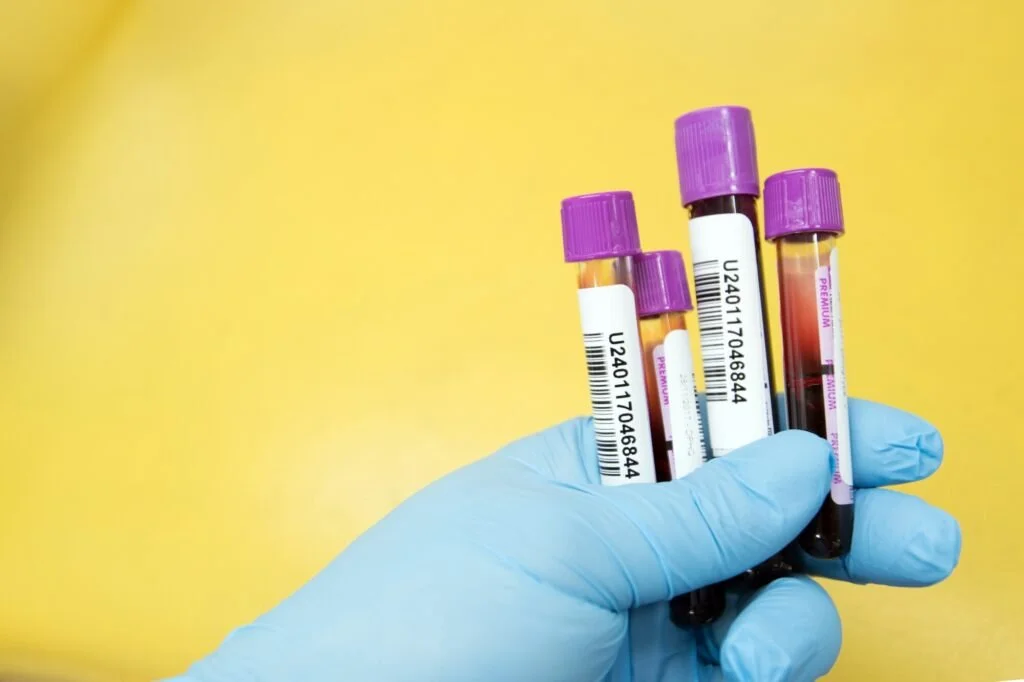
Phlebotomy is a crucial procedure in healthcare that involves drawing blood from a patient for various diagnostic tests and treatments. Anticoagulants, on the other hand, are medications that help prevent blood clots from forming or growing larger. In this blog post, we will explore the significance of phlebotomy and anticoagulants in healthcare.

Anticoagulants Used In Blood Collection Tubes
Anticoagulants play a crucial role in blood collection tubes as they prevent the blood from clotting, ensuring accurate test results. There are several different types of anticoagulants used in blood collection tubes, each with its own unique properties and benefits. In this article, we will explore the most common anticoagulants used in blood collection tubes and their respective uses.
Cost-Effectiveness: Vacutainer Tubes Vs Syringe Method.
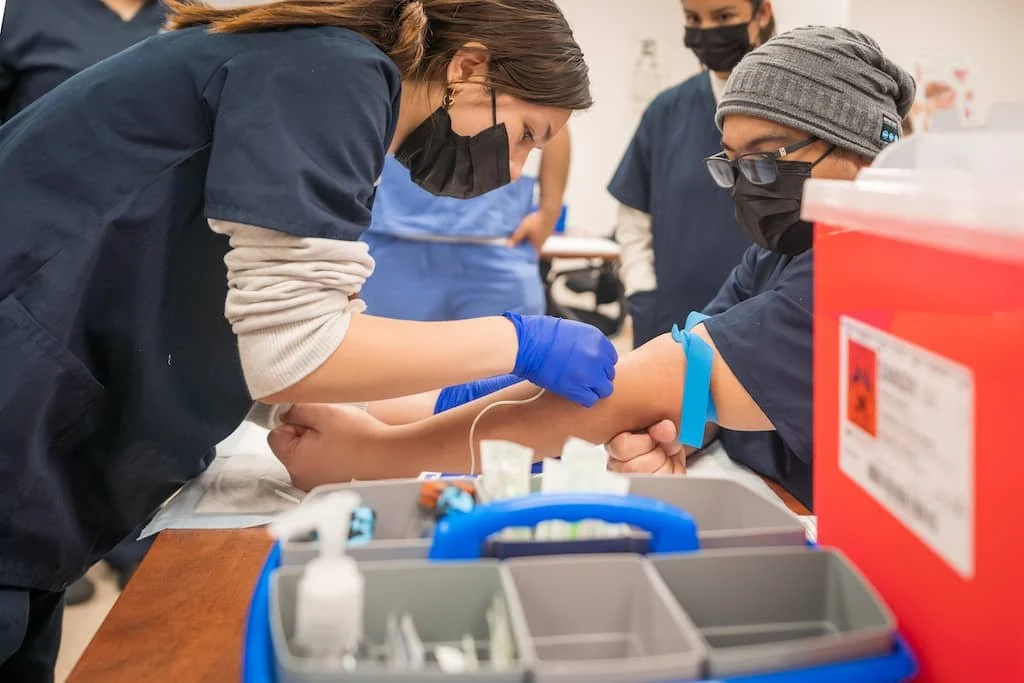
When it comes to blood collection in medical settings, healthcare professionals have two main options available to them: Vacutainer tubes and syringe method. Both methods have their own advantages and disadvantages, but one of the main factors that healthcare providers often consider is cost-effectiveness. In this article, we will explore the cost-effectiveness of using Vacutainer tubes compared to the syringe method.
Practical Implications Of Using Vacutainer Tubes
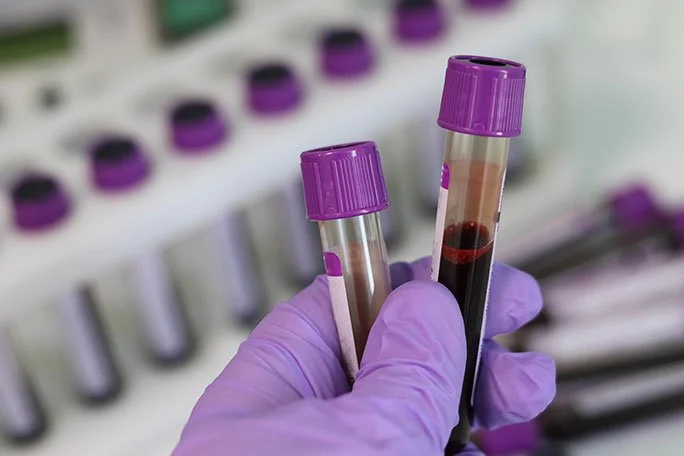
Vacutainer tubes are an essential tool in the medical field for collecting and storing blood samples. These tubes are vacuum-sealed containers that come in a variety of sizes and types, each designed for specific purposes. In this article, we will explore the practical implications of using Vacutainer tubes in the healthcare setting.

Risks Of Syringe Method
Injecting drugs is a common practice among individuals who use substances like heroin, cocaine, or prescription opioids. While there are various methods of administering drugs via injection, one of the riskiest techniques is the syringe method. In this blog post, we will explore the dangers and risks associated with using the syringe method for injecting drugs.

Practicality Of Vacutainer Tubes
Vacutainer tubes have revolutionized the way blood samples are collected and processed in healthcare settings. These tubes, also known as phlebotomy tubes, are a crucial tool for medical professionals as they allow for the safe and efficient collection of blood samples from patients. In this article, we will explore the practicality of Vacutainer tubes and how they have improved the process of blood collection in various healthcare settings.

Comparison Between Vacutainer Tubes And Syringe Method
Vacutainer tubes and syringe method are two common techniques used in medical settings to collect blood samples for various tests and procedures. While both methods have their own advantages and disadvantages, it is important to understand the differences between them in order to choose the most appropriate method for a particular situation.
Accuracy Of Vacutainer Tubes Vs Syringe Method
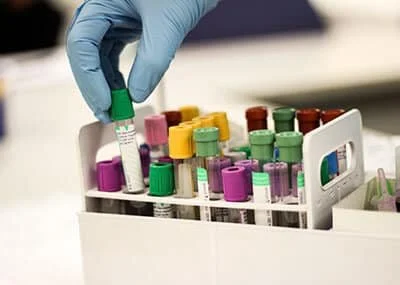
When it comes to collecting blood samples for various medical tests, healthcare professionals have two main methods at their disposal: the Vacutainer tube method and the syringe method. Both methods have their own set of advantages and disadvantages, but one of the key factors that differentiate them is their accuracy. In this article, we will explore the accuracy of Vacutainer tubes versus the syringe method.

Blood Collection: Vacutainer Vs Syringe
Blood collection is a crucial aspect of healthcare, as it allows for diagnosis, monitoring, and treatment of various medical conditions. One of the key decisions healthcare professionals must make when collecting blood is whether to use a vacutainer or a syringe. Both methods have their advantages and disadvantages, and choosing the right one can impact the accuracy of test results, patient comfort, and overall efficiency.
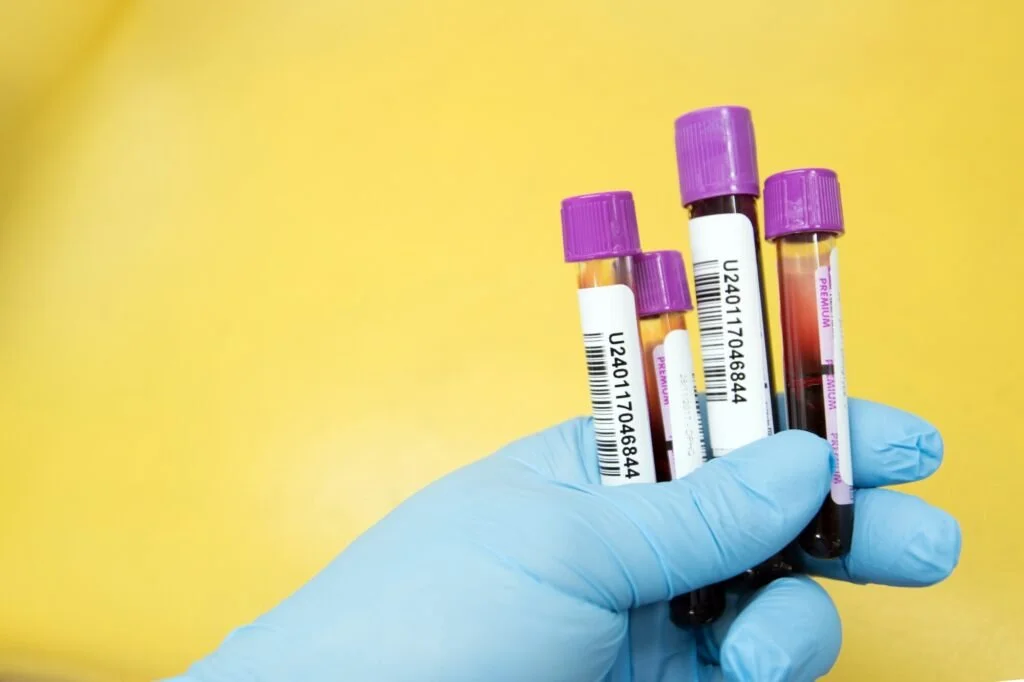
Efficiency Of Vacutainer Tubes Vs Syringe Method
When it comes to drawing blood for medical tests or procedures, healthcare professionals have two main methods at their disposal: using vacutainer tubes or a syringe. Both methods have their pros and cons, but which one is more efficient? In this article, we will compare the efficiency of vacutainer tubes versus the syringe method.