

Solutions To Blood Collection Tube Scarcity
With the recent shortage of blood collection tubes affecting healthcare facilities around the world, it is crucial to find solutions to this pressing issue. As a vital component in medical testing and patient care, the scarcity of these tubes can have detrimental effects on healthcare delivery. In this article, we will explore possible solutions to address the blood collection tube shortage.

Managing Blood Tube Shortages
Blood tube shortages have become a significant issue in healthcare settings worldwide. The shortage of blood tubes, also known as phlebotomy tubes, can have serious consequences for patients, healthcare providers, and the overall healthcare system. When blood tubes are in short supply, it can lead to delayed or canceled blood tests, which can result in delayed diagnoses and treatment for patients. This can have a negative impact on patient outcomes and increase healthcare costs.

Impact Of Tube Shortages On Healthcare
Tubes are an essential component of many medical devices used in healthcare settings. From IV tubes to endotracheal tubes, these devices play a critical role in providing necessary care to patients. However, in recent years, there has been an increasing shortage of tubes in healthcare facilities around the world. This shortage has had a significant impact on the delivery of healthcare services, affecting both patients and medical professionals. In this article, we will explore the various ways in which tube shortages have impacted the healthcare industry.
Causes Of Blood Collection Tube Shortage
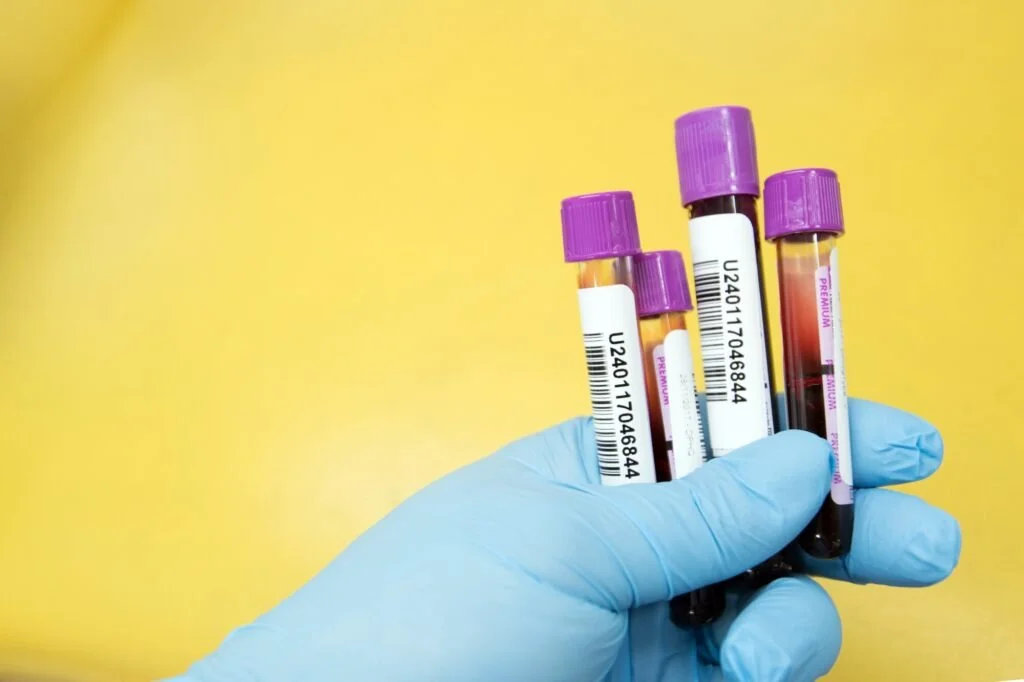
In recent years, there has been an alarming shortage of blood collection tubes in healthcare facilities around the world. This shortage has had a significant impact on patient care and medical procedures, leading to delays in testing and treatment. In this article, we will explore the various causes of this shortage and discuss potential solutions to address this critical issue.

Blood Collection Tube Shortages And Solutions
In recent years, the healthcare industry has been facing a critical issue - shortages of blood collection tubes. These tubes are essential for collecting and storing blood samples for various medical tests and procedures. The shortage has been attributed to various factors, including increased demand, supply chain disruptions, and delays in production. In this article, we will explore the causes of blood collection tube shortages and discuss potential solutions to address this pressing issue.

Impact Of Anticoagulant Choice On Testing Accuracy.
Anticoagulants are medications commonly used to prevent blood clots in individuals who are at risk for various cardiovascular conditions. These medications work by interfering with the body's clotting process, thus reducing the risk of dangerous blood clots that can lead to heart attacks, strokes, and other serious health complications. However, the choice of anticoagulant used can have a significant impact on the accuracy of certain laboratory tests used to monitor a patient's coagulation status. In this blog post, we will explore the impact of anticoagulant choice on testing accuracy and the implications for patient care.
Proper Use Of Blood Collection Tubes
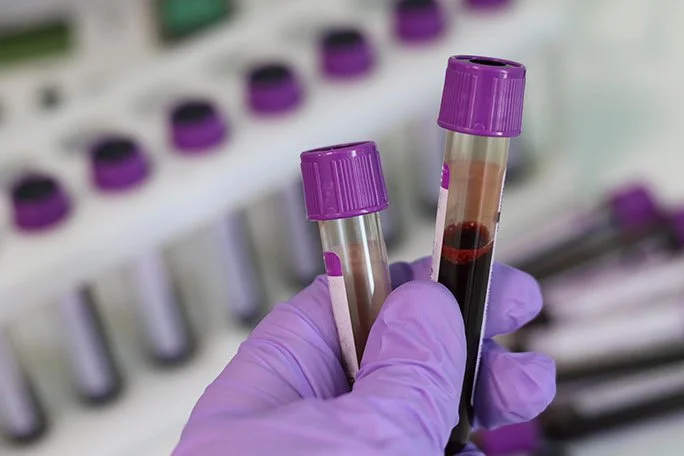
Blood collection tubes are an essential tool in the medical field, used to collect and transport blood samples for laboratory testing. It is crucial to understand the proper use of these tubes to ensure accurate and reliable test results. In this article, we will explore the different types of blood collection tubes, the correct order of draw, and tips for handling and transporting blood samples.

Effects Of Anticoagulants On Lab Tests
Anticoagulants are medications that help prevent the blood from clotting. They are commonly used to treat conditions such as deep vein thrombosis, pulmonary embolism, and atrial fibrillation. While anticoagulants can be life-saving for many patients, they can also have an impact on laboratory test results. In this article, we will explore the effects of anticoagulants on various lab tests.

Anticoagulant And Blood Sample Quality
Anticoagulants play a crucial role in preserving the quality of blood samples for laboratory analysis. These substances prevent blood from clotting, which can alter the results of tests and make it difficult to obtain accurate readings. Understanding the importance of anticoagulants and how they impact blood sample quality is essential for healthcare professionals and patients alike. In this article, we will explore the role of anticoagulants in maintaining blood sample integrity and discuss some key considerations for ensuring optimal sample quality.

Importance Of Correct Anticoagulant Use
Anticoagulants are medications that help prevent blood clots from forming in the blood vessels. They are commonly prescribed for conditions such as atrial fibrillation, deep vein thrombosis, and pulmonary embolism. Correct anticoagulant use is crucial to ensure optimal treatment outcomes and minimize the risk of complications. In this article, we will discuss the importance of using anticoagulants correctly and provide some tips for safe and effective use.
Differences In Blood Collection Tubes
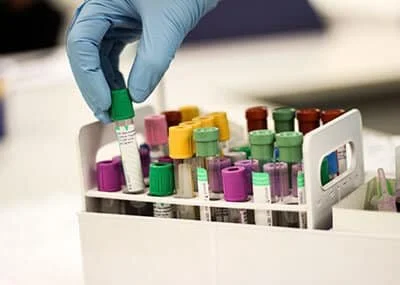
When it comes to collecting blood samples for medical testing, there are various types of blood collection tubes that are used. Each type of tube is specially designed to preserve different components of the blood to ensure accurate test results. In this article, we will explore the differences in blood collection tubes and their specific uses.

Common Anticoagulants Used In Blood Collection
Anticoagulants are substances that prevent blood clotting. They are commonly used in blood collection to ensure that the blood samples remain liquid and do not clot before they can be analyzed. There are several different anticoagulants that are used in blood collection, each with their own unique properties and applications. In this article, we will explore some of the common anticoagulants used in blood collection and their uses.