
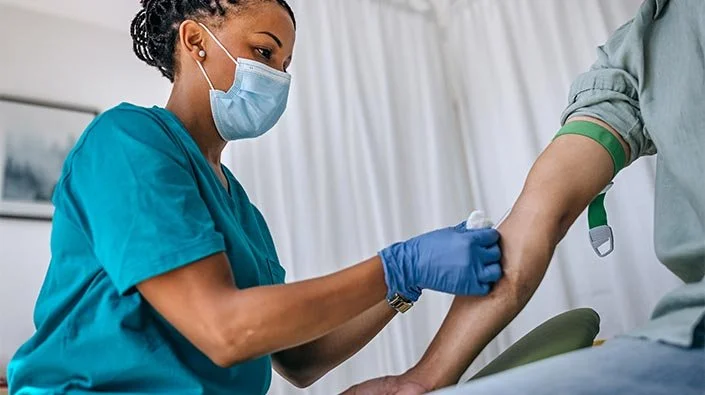
Immune System Monitoring Through Blood Collection
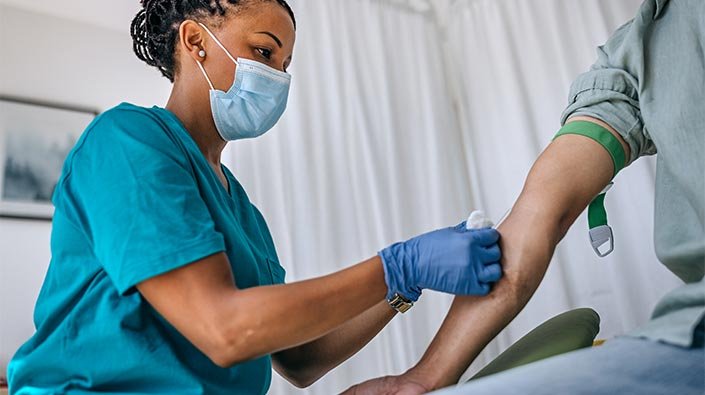
Monitoring the health of our immune system is crucial for staying healthy and preventing diseases. One way that researchers and healthcare professionals track the immune system's function is through blood collection. Blood tests can provide valuable information about the body's immune response, allowing for early detection of potential issues and monitoring of a patient's overall health.

Advances In Blood Collection For Immune Monitoring
Immune monitoring plays a crucial role in understanding and managing various diseases, including autoimmune disorders, infectious diseases, and cancer. As technology continues to advance, so does the way we collect and analyze blood samples for immune monitoring. In this blog post, we will explore some of the latest advancements in blood collection methods for immune monitoring.

Importance Of Blood Collection Tubes In Immune System Monitoring
Monitoring the immune system is a crucial aspect of healthcare, as it plays a vital role in protecting the body against infections and diseases. One of the essential tools used in immune system monitoring is blood collection tubes. These tubes are specifically designed to collect and preserve blood samples for analysis, allowing healthcare professionals to assess the immune system's function and identify any abnormalities. In this article, we will explore the importance of blood collection tubes in immune system monitoring.
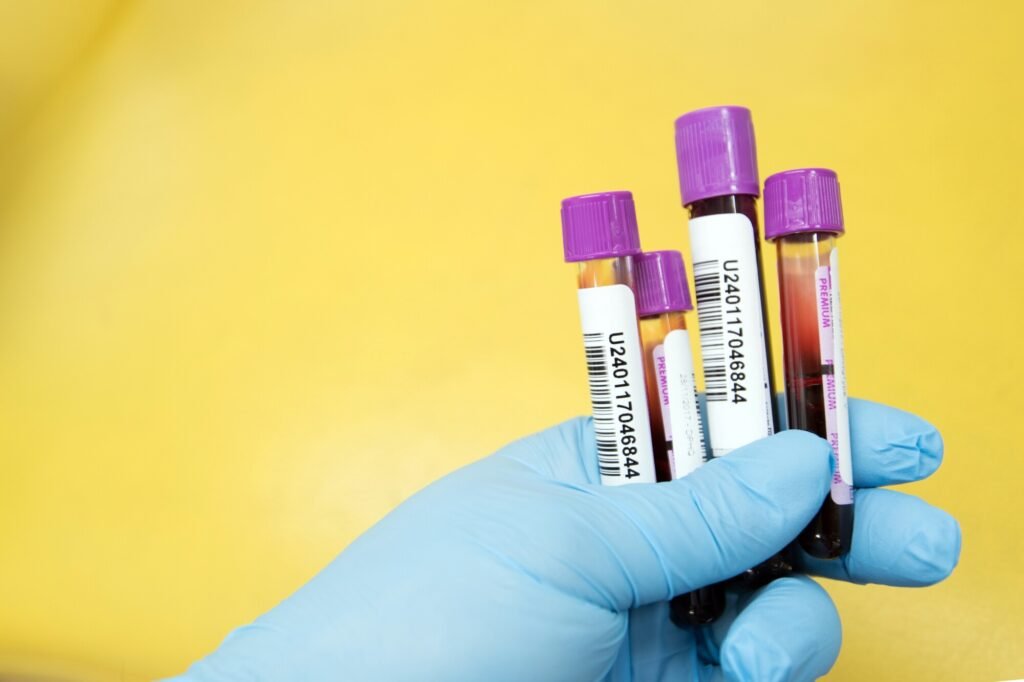
Types Of Blood Collection Tubes For Immunity Check
When it comes to testing immunity levels in the body, blood collection tubes play a vital role in ensuring accurate and reliable results. These tubes come in various types, each designed for specific tests and purposes. In this article, we will explore the different types of blood collection tubes commonly used for immunity checks.

Immune Response In Blood Collection Tubes
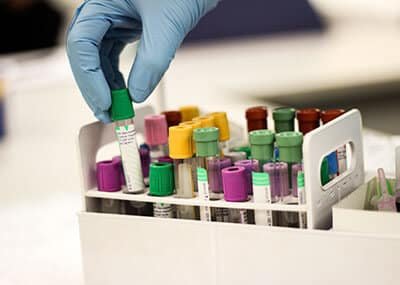
When it comes to collecting blood samples for medical testing, healthcare professionals rely on blood collection tubes to preserve and transport the specimen. These tubes contain various additives that prevent clotting, preserve the integrity of the sample, and allow for accurate test results. But have you ever wondered about the immune response that occurs within these tubes? In this article, we will explore the immune response in blood collection tubes and how it can impact laboratory testing.
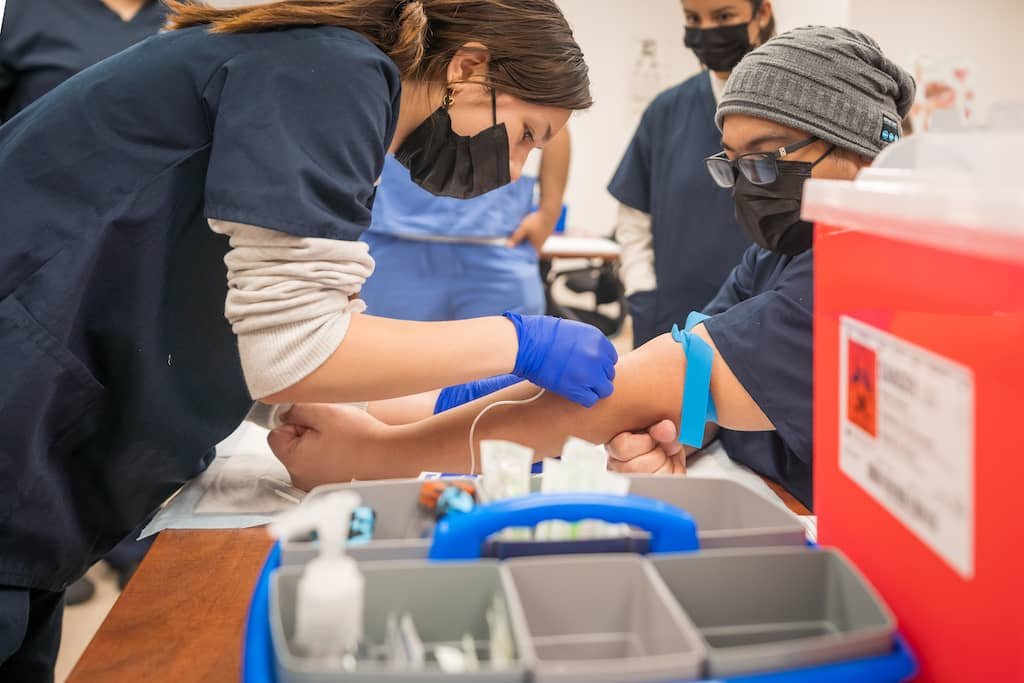
Best Blood Collection Tubes For Immune System Monitoring
When it comes to monitoring the immune system, blood collection tubes play a crucial role in ensuring accurate and reliable results. These tubes are specifically designed to collect and preserve blood samples for various laboratory tests that can provide valuable insights into the functioning of the immune system. In this article, we will explore the importance of using the best blood collection tubes for immune system monitoring and how they can impact the quality of diagnostic tests and treatment decisions.
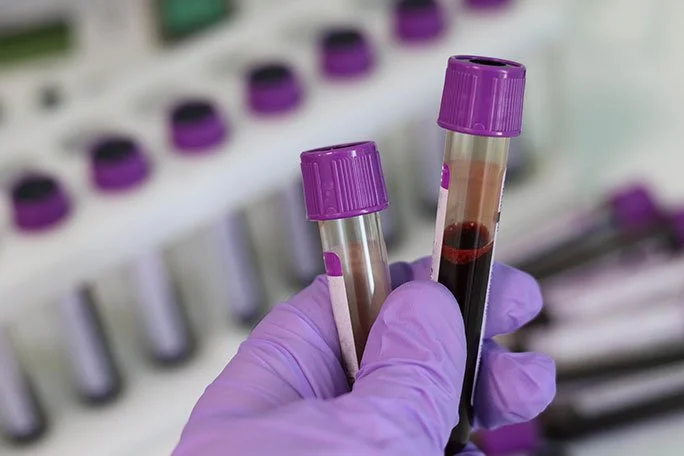
Blood Collection Tubes For Immune System Monitoring
Welcome to our blog post on blood collection tubes for immune system monitoring. In this article, we will discuss the importance of using the right blood collection tubes for monitoring the immune system, as well as the different types of tubes available and their uses. We will also provide some tips on how to properly collect blood samples for immune system monitoring. So let's dive in!

Centrifugation Duration and Rpm Settings
Centrifugation is a common laboratory technique used to separate particles of different densities from a liquid medium. By spinning samples at high speeds, centrifugation causes the particles to separate based on their mass, size, and shape. One key aspect of centrifugation is determining the optimal duration and RPM settings for a given sample. In this blog post, we will explore the importance of centrifugation duration and RPM settings, how they affect sample separation, and how to determine the best settings for your specific needs.
Temperature Requirements For Centrifugation
Centrifugation is a common laboratory technique used for separating particles from a solution based on their size, density, and shape. One often overlooked aspect of centrifugation is the temperature at which the process is conducted. Temperature can have a significant impact on the efficiency and effectiveness of centrifugation, making it essential to understand the temperature requirements for this technique.

Specific Protocol For Blood Centrifugation
When it comes to processing blood samples in a laboratory setting, a crucial step is centrifugation. Through this process, different components of blood can be separated based on their varying densities. However, it is important to follow a specific protocol for blood centrifugation to ensure accurate results. In this article, we will discuss the importance of blood centrifugation, the different types of centrifugation, and a step-by-step guide to the protocol for blood centrifugation.
Best Practices For Centrifugation
Centrifugation is a crucial process in many scientific and industrial applications. It is used to separate particles and molecules based on their size, density, and shape. Proper centrifugation technique is essential to obtain accurate and reliable results. In this article, we will discuss some of the best practices for centrifugation.

Important Tips For Tube Centrifugation
Centrifugation is a crucial technique in many scientific fields, used to separate particles of different densities or sizes in a liquid medium. It is widely used in biology, chemistry, and medicine for various applications, such as isolating proteins, separating blood components, and purifying DNA. One common type of centrifugation is tube centrifugation, where samples are placed in tubes and spun at high speeds to separate the components. In this blog post, we will discuss some important tips for successful tube centrifugation.