

Quality Control In Specimen Collection
Quality control in specimen collection is a critical aspect of medical testing that ensures accurate and reliable results. From blood samples to urine samples, proper collection techniques are essential to prevent contamination and maintain the integrity of the specimen. In this blog post, we will explore the importance of quality control in specimen collection and provide tips for healthcare professionals to improve their collection practices.

Consequences Of Specimen Rejection Due To Tube Errors
Specimen rejection due to tube errors can have serious consequences in healthcare settings. From delayed diagnosis to patient dissatisfaction, there are a number of negative outcomes that can result from specimen rejection. In this blog post, we will explore the various consequences of specimen rejection due to tube errors and discuss ways to prevent these errors from occurring.

Correct Specimen Tube Usage
Specimen tubes are an essential part of the medical field, used to collect and store various samples for laboratory testing. Proper usage of specimen tubes is crucial to ensure accurate and reliable test results. In this article, we will discuss the correct specimen tube usage and the importance of following proper procedures.
Training To Reduce Tube Errors In Specimen Collection
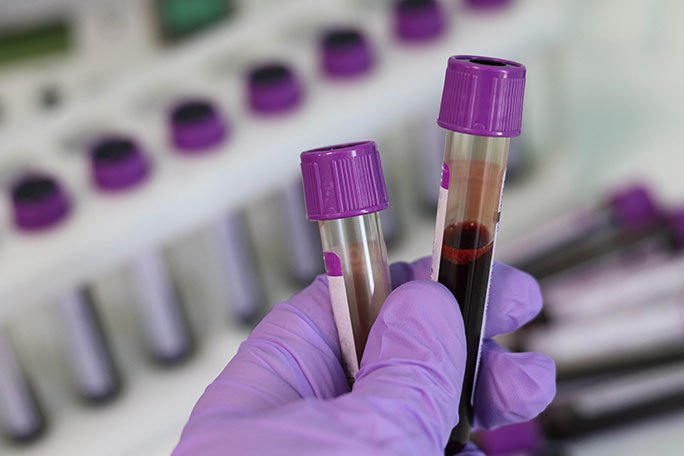
Specimen collection is a crucial step in the laboratory testing process. Correctly collecting and handling specimens is essential for ensuring accurate test results. However, errors in tube selection and labeling can lead to incorrect results, which can have serious consequences for patient care. To help reduce tube errors in specimen collection, training is essential.

Guidelines For Preventing Specimen Tube Errors
When it comes to handling, collecting, and labeling specimen tubes in a laboratory setting, it is essential to follow strict guidelines to prevent errors that could compromise test results and patient care. Specimen tube errors can lead to misdiagnosis, incorrect treatment plans, and delays in patient care. In this article, we will discuss some important guidelines for preventing specimen tube errors in the laboratory.

Impact Of Tube Errors On Laboratory Results
Working in a laboratory, accuracy and precision are key components in obtaining reliable results. However, there are several factors that can influence the accuracy of laboratory tests, one of them being tube errors. In this blog post, we will discuss the impact of tube errors on laboratory results and how you can avoid them to ensure the validity of your findings.

Common Tube Errors In Specimen Collection
Proper specimen collection is essential for accurate laboratory test results. One of the critical steps in specimen collection is the use of tubes to collect and store blood, urine, or other body fluids. However, there are common errors that can occur during this process that can lead to inaccurate test results. In this article, we will discuss some of the most common tube errors in specimen collection and how to avoid them.
Specimen Rejection Reasons
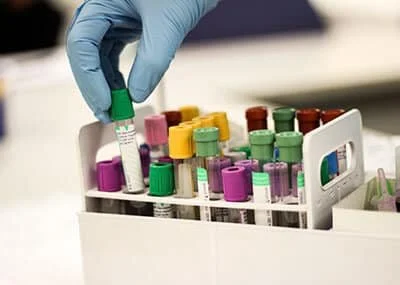
As technology continues to advance in the healthcare industry, the importance of accurate and reliable laboratory testing has never been more critical. Laboratory tests play a crucial role in the diagnosis, treatment, and monitoring of various medical conditions. However, despite the advancements in technology, there are still instances where specimens are rejected for testing. In this blog post, we will delve into the common reasons why specimens are rejected and how healthcare professionals can prevent these rejections from occurring.

Specimen Rejection Due To Tube Errors
Have you ever had your blood specimen rejected at a lab due to tube errors? It can be frustrating and inconvenient, especially if you have to go through the process of having your blood drawn all over again. In this blog post, we will explore the common tube errors that can lead to specimen rejection and provide tips on how to avoid them.

Future Trends In Automated Blood Test Labs
Automated blood test labs are revolutionizing the way medical professionals diagnose and treat patients. As technology continues to advance, we are seeing exciting new trends emerge in the field of automated blood testing. In this blog post, we will explore some of the future trends in automated blood test labs that are shaping the future of healthcare.

Risks Associated With Automated Blood Handling
As technology continues to advance, automated systems are increasingly being used in various industries to streamline processes and improve efficiency. One area where automation has made a significant impact is in the handling of blood and blood products. While automation has many benefits, there are also risks associated with these systems that must be carefully considered. In this article, we will explore some of the potential risks of automated blood handling and discuss how they can be mitigated.

Blood Tube Storage In Automated Labs
Blood tube storage in automated labs is a critical component of the healthcare industry. Proper storage of blood tubes ensures accurate test results and patient safety. In this blog post, we will explore the importance of blood tube storage in automated labs, the different types of blood tube storage solutions available, and best practices for maintaining the integrity of blood samples.