
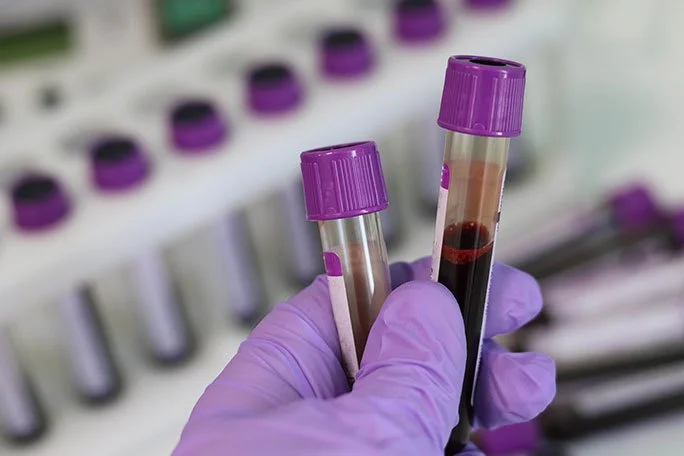
Phlebotomist's Reviews On Blood Collection Tubes
As a phlebotomist, one of the most crucial aspects of your job is collecting blood samples for testing. The type of blood collection tubes you use can greatly impact the quality of the samples you collect. In this article, we will provide an overview of some of the most commonly used blood collection tubes, along with reviews from phlebotomists on their experiences with each type.

How To Choose Correct Blood Collection Tube
When it comes to drawing blood for laboratory testing, using the right blood collection tube is crucial. Different tests require different types of tubes to ensure accurate results. In this article, we will discuss how to choose the correct blood collection tube based on the tests being performed.

Phlebotomist's Expertise On Blood Collection Tubes
As a phlebotomist, one of the most important aspects of your job is knowing the different types of blood collection tubes and how to properly collect blood samples. Each tube is designed for specific tests and it is crucial that you understand the differences between them to ensure accurate results. In this article, we will discuss the expertise required for handling blood collection tubes.

Importance Of Tube Types For Blood Collection In Phlebotomy
Phlebotomy is a crucial part of healthcare that involves the collection of blood samples from patients for laboratory testing. Proper blood collection techniques are essential to ensure accurate test results and patient safety. One key aspect of phlebotomy is understanding the different types of tubes used for blood collection and their importance in the process. In this article, we will discuss the significance of tube types in phlebotomy and how they impact the quality of blood samples.
Phlebotomist'S Preferred Brands Of Blood Collection Tubes
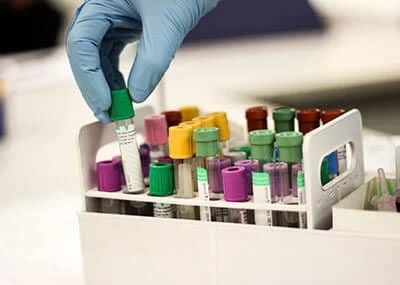
Phlebotomists play a crucial role in the healthcare industry by drawing blood samples for various medical tests. One of the tools they use on a daily basis is the blood collection tube. While there are many brands of blood collection tubes available on the market, phlebotomists have their preferred brands that they trust and rely on for accurate and reliable results. In this article, we will explore some of the top brands of blood collection tubes that are preferred by phlebotomists.

Phlebotomist Feedback On Blood Collection Tubes
As a phlebotomist, one of the most important aspects of your job is collecting blood samples for testing. This process involves using different types of blood collection tubes, each designed for specific tests and purposes. In this article, we will discuss the feedback from phlebotomists on various blood collection tubes and their experiences with using them.

Safety Measures For Tube Adaptations For Microsampling.
Microsampling has become increasingly popular in the medical field as it allows for smaller sample volumes to be collected and analyzed. This can be especially useful for pediatric patients or those with limited blood volumes. One important aspect of microsampling is the use of tube adaptations to ensure accurate and safe sample collection. In this article, we will discuss some key safety measures to keep in mind when using tube adaptations for microsampling.

Effectiveness Of Tube Adaptations For Microsampling
In recent years, the use of microsampling techniques for blood collection has gained popularity due to its many advantages over traditional venipuncture methods. Microsampling involves collecting small volumes of blood samples from patients, which can then be used for various laboratory tests. One of the key components of microsampling is the use of specialized tubes that are designed specifically for this purpose. These tubes come in various shapes and sizes, and each has unique features that make them suitable for different applications. In this blog post, we will explore the effectiveness of tube adaptations for microsampling and discuss how they contribute to the success of this innovative blood collection method.
Innovations In Tube Adaptations For Microsampling Tools
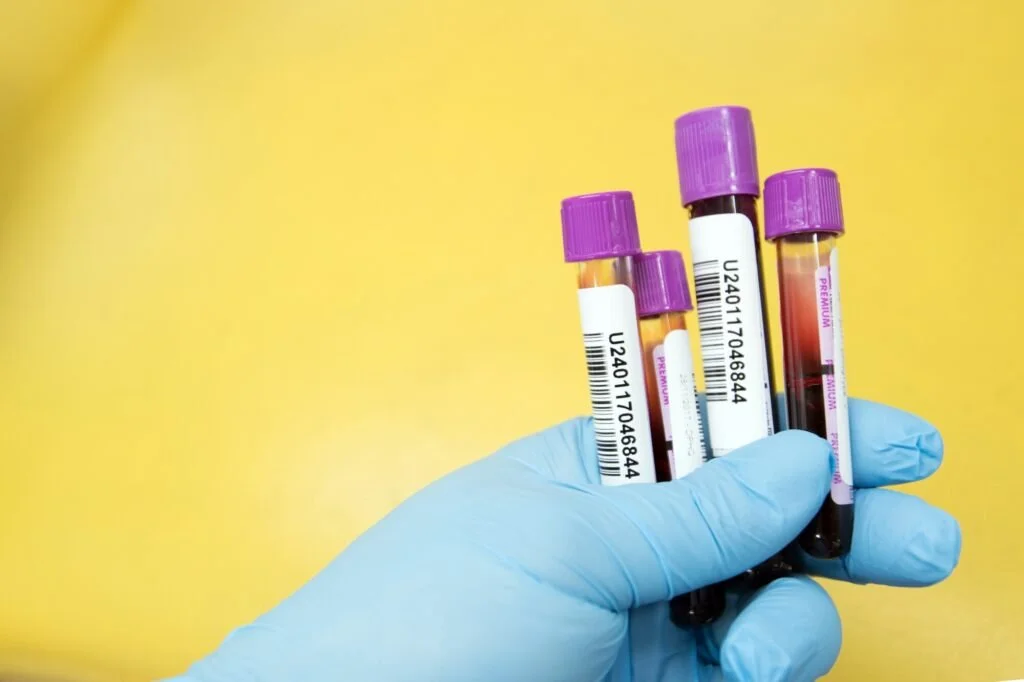
In the field of medical and scientific research, innovations in tube adaptations for microsampling tools have been revolutionizing the way samples are collected, processed, and analyzed. These advancements have paved the way for more accurate and efficient testing procedures, leading to improved outcomes and faster results. In this article, we will explore some of the latest innovations in tube adaptations for microsampling tools and how they are shaping the future of research and healthcare.

Challenges In Tube Adaptations For Microsampling
Tube adaptations for microsampling have become increasingly popular in recent years due to the many benefits they offer, such as ease of use, minimal invasiveness, and cost-effectiveness. However, there are also several challenges that come with adapting tubes for microsampling purposes. In this article, we will explore some of the key challenges in tube adaptations for microsampling and discuss potential solutions to overcome them.
Applications Of Tube Adaptations For Microsampling
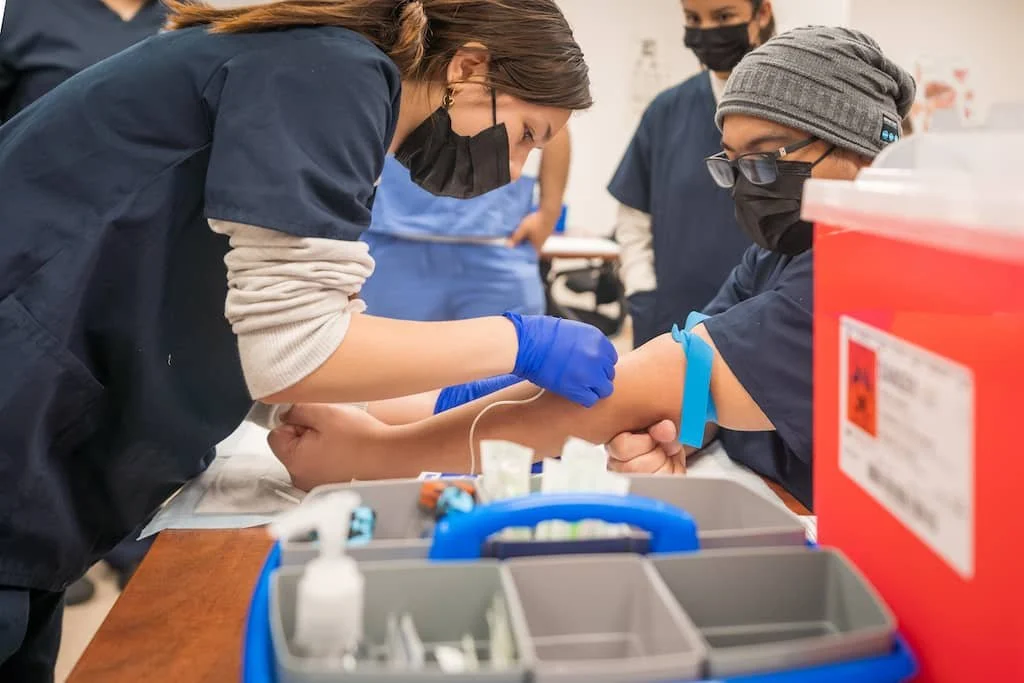
Microsampling is a technique used in various industries for collecting small amounts of liquid or gas samples for analysis. One of the key tools used in microsampling is a tube adapter, which allows for precise and controlled sampling of fluids. In this article, we will explore the applications of tube adaptations for microsampling and how they are utilized in different industries.

Tube Adaptations For Microsampling Procedure
Microsampling is a crucial procedure in various fields such as medical research, pharmaceuticals, and clinical diagnostics. It involves the collection of small volumes of biological samples for analysis, typically ranging from a few microliters to a few hundred microliters. To ensure accurate and reliable results, it is essential to use the right tools and techniques for microsampling procedures. One such tool that plays a significant role in the process is the microsampling tube.