
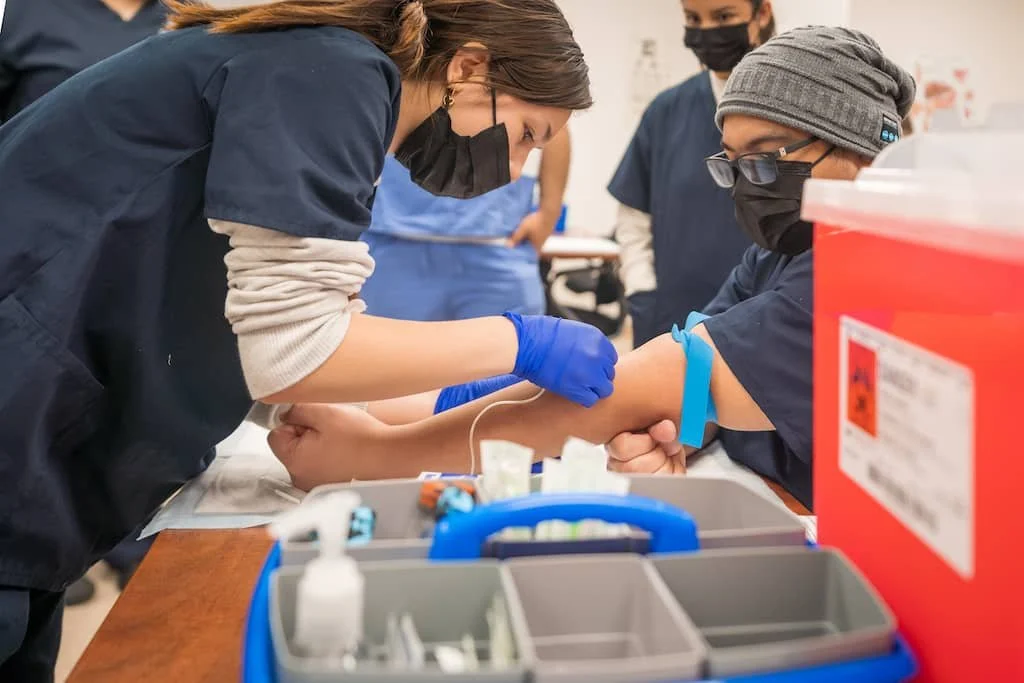
Challenges In Patient-Centric Blood Collection Design
When it comes to healthcare, patient-centric design has become a major focus in recent years. This approach puts the patient at the center of the care experience, taking into account their needs, preferences, and comfort. One area where patient-centric design is particularly important is in blood collection. Blood tests are a common procedure in healthcare, and the experience of getting blood drawn can be stressful for many patients. By designing blood collection processes and spaces with the patient in mind, healthcare providers can improve the overall experience and make it more comfortable for patients. However, there are several challenges that must be addressed in order to achieve truly patient-centric blood collection design.
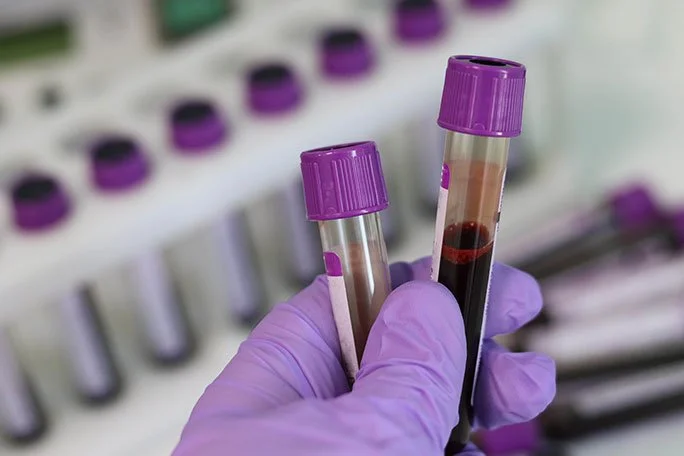
Patient-Centric Approach In Blood Sample Collection
Healthcare is a field where patient-centric care is of utmost importance. One aspect of healthcare where this patient-centric approach is crucial is in blood sample collection. Blood tests are a common diagnostic tool used by healthcare providers to assess a patient's health and make treatment decisions. Ensuring that the blood sample collection process is as comfortable and convenient as possible for the patient can help improve patient satisfaction and overall health outcomes. In this article, we will explore the importance of a patient-centric approach in blood sample collection and provide tips for healthcare providers to enhance the patient experience.
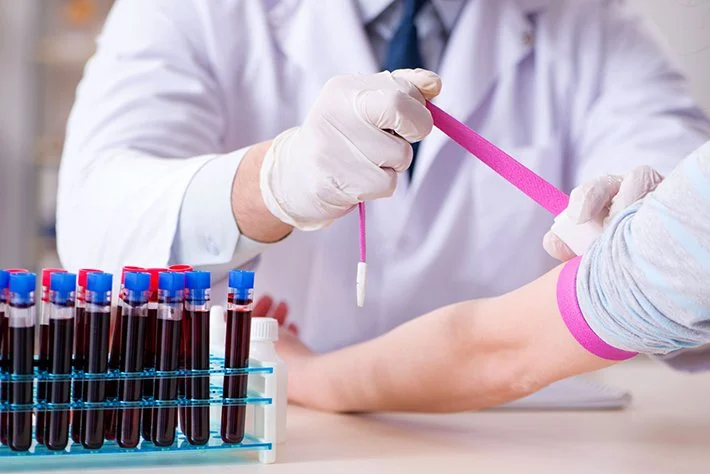
Impact Of Patient-Centric Design On Patient Comfort
Patient-centric design is a concept that has been gaining momentum in the healthcare industry in recent years. In a nutshell, patient-centric design is all about putting the patient at the center of the healthcare experience and tailoring every aspect of the design process to meet their needs and preferences. This can include everything from the layout of a hospital room to the design of medical equipment and technology.
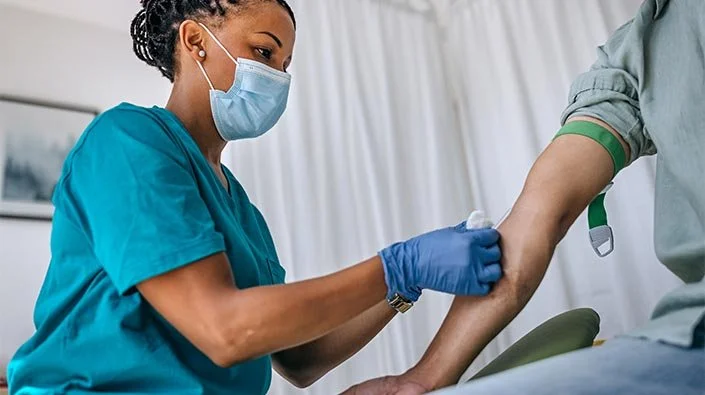
Role Of Patient-Centric Design In Blood Collection
Medical procedures can be daunting and intimidating for patients, especially when it involves blood collection. The process of drawing blood is crucial for diagnosis, monitoring, and treatment of various medical conditions. However, the experience can be improved through patient-centric design.
Implementing Patient-Centric Design In Phlebotomy
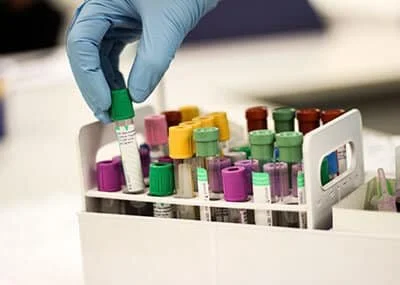
Phlebotomy is a crucial aspect of healthcare, involving the drawing of blood for various medical tests and procedures. It is essential for healthcare providers to prioritize patient comfort and safety during phlebotomy procedures. Implementing patient-centric design in phlebotomy can greatly improve the overall experience for patients and help healthcare providers deliver better care. In this article, we will explore the importance of patient-centric design in phlebotomy and discuss some practical tips for implementing it effectively.

Advantages Of Patient-Centric Design In Blood Collection
When it comes to medical procedures such as blood collection, the patient experience is often overlooked in favor of efficiency and convenience for healthcare providers. However, a shift towards patient-centric design in blood collection can have numerous benefits for both patients and healthcare providers. In this article, we will explore the advantages of incorporating patient-centric design principles in blood collection processes.

Patient-Centric Design In Blood Collection
In recent years, there has been a significant shift towards patient-centric design in various aspects of healthcare, including blood collection. This approach focuses on creating a positive experience for patients by considering their needs, preferences, and comfort. Patient-centric design in blood collection can lead to improved patient satisfaction, increased compliance with blood donation, and better outcomes for both patients and healthcare providers.

Phlebotomist Tips For Preserving Sample Integrity In Blood Collection Tubes.
As a phlebotomist, one of your most important responsibilities is to ensure the integrity of the blood samples you collect. The accuracy of test results depends on the quality of the samples, and any contamination or mishandling can lead to erroneous results that could have serious consequences for patients.
Preserving sample integrity starts with proper collection techniques and continues through to the handling and storage of blood collection tubes. In this article, we will discuss some essential tips for phlebotomists to follow to ensure the integrity of blood samples.
Innovations In Blood Collection Tubes
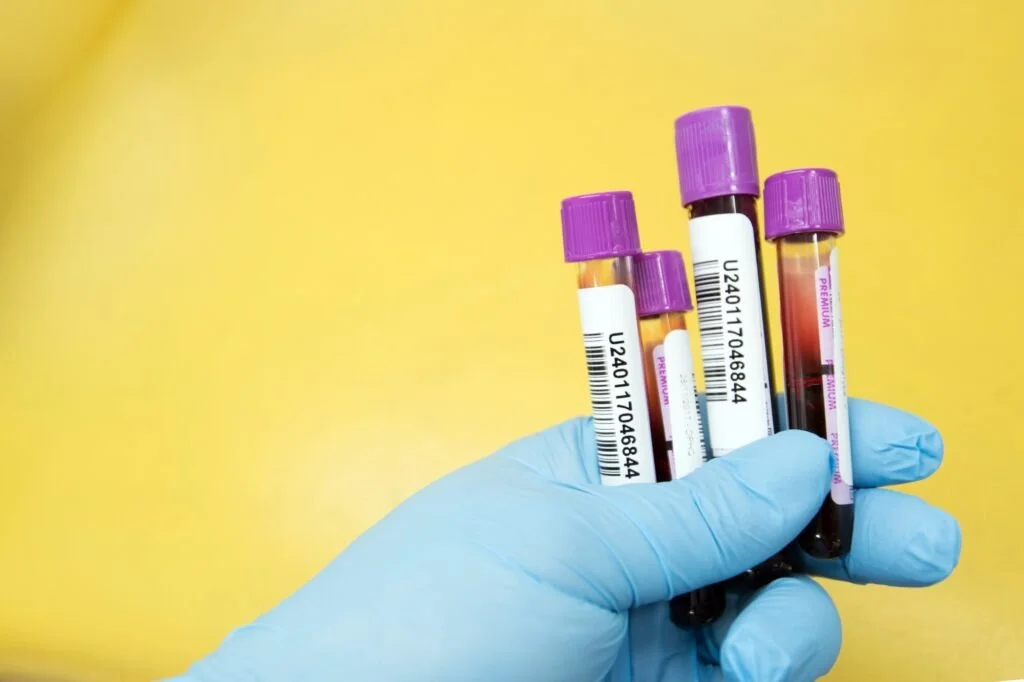
Blood collection tubes may not seem like the most exciting topic, but innovations in this area have significantly improved the process of collecting and testing blood samples. These small tubes play a crucial role in healthcare, allowing healthcare providers to gather valuable information about a patient's health and make informed decisions about their care. In this article, we will explore some of the recent innovations in blood collection tubes and how they are changing the field of medicine.

Common Complications With Blood Collection Tubes
When it comes to collecting blood samples for testing, healthcare professionals rely on blood collection tubes to ensure accurate and reliable results. These tubes are specially designed to preserve the integrity of blood samples and prevent contamination. However, despite their importance, blood collection tubes can sometimes pose certain complications that can affect the quality of the sample and the accuracy of test results. In this article, we will discuss some of the common complications associated with blood collection tubes and how they can be mitigated.

Handling And Storage Advice On Collection Tubes
Collection tubes are an essential tool in the medical field, used for collecting blood, urine, and other bodily fluids for testing and analysis. Proper handling and storage of these tubes are crucial to ensuring accurate and reliable test results. In this article, we will provide valuable advice on the proper handling and storage of collection tubes to maintain their integrity and preserve the samples inside.
Safety Features Of Blood Collection Tubes For Phlebotomists
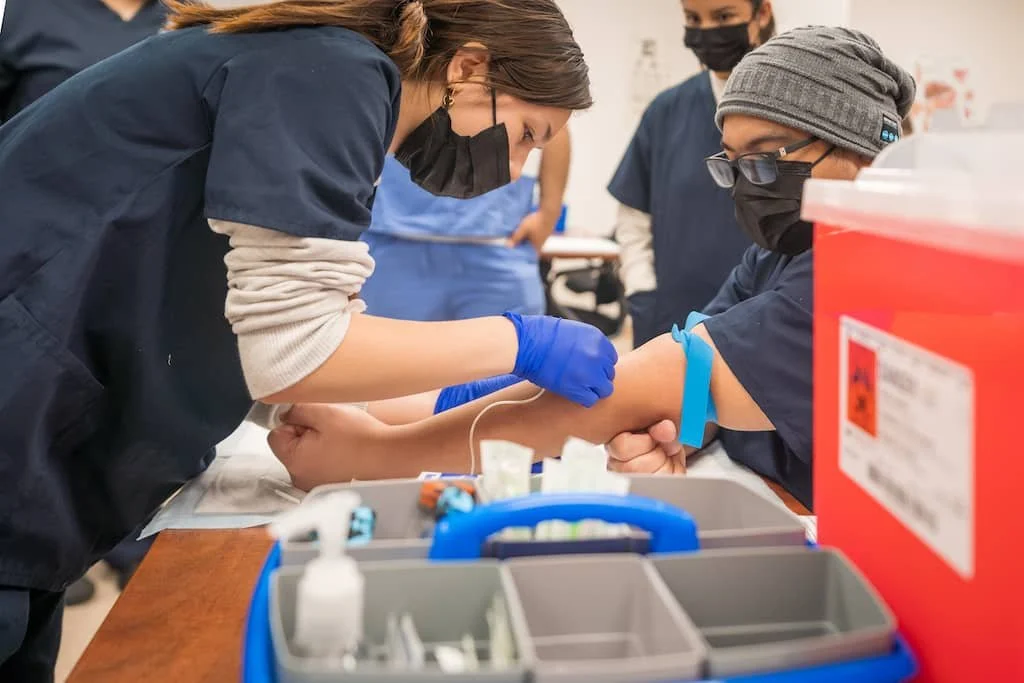
As healthcare professionals, phlebotomists play a crucial role in drawing blood for diagnostic tests and transfusions. Ensuring the safety of both the phlebotomist and the patient is of utmost importance during this process. One key component of this safety is the blood collection tubes used in the procedure. These tubes come equipped with various safety features to protect the phlebotomist from needlestick injuries and to maintain the integrity of the blood sample. In this article, we will explore the different safety features of blood collection tubes that phlebotomists should be aware of.