
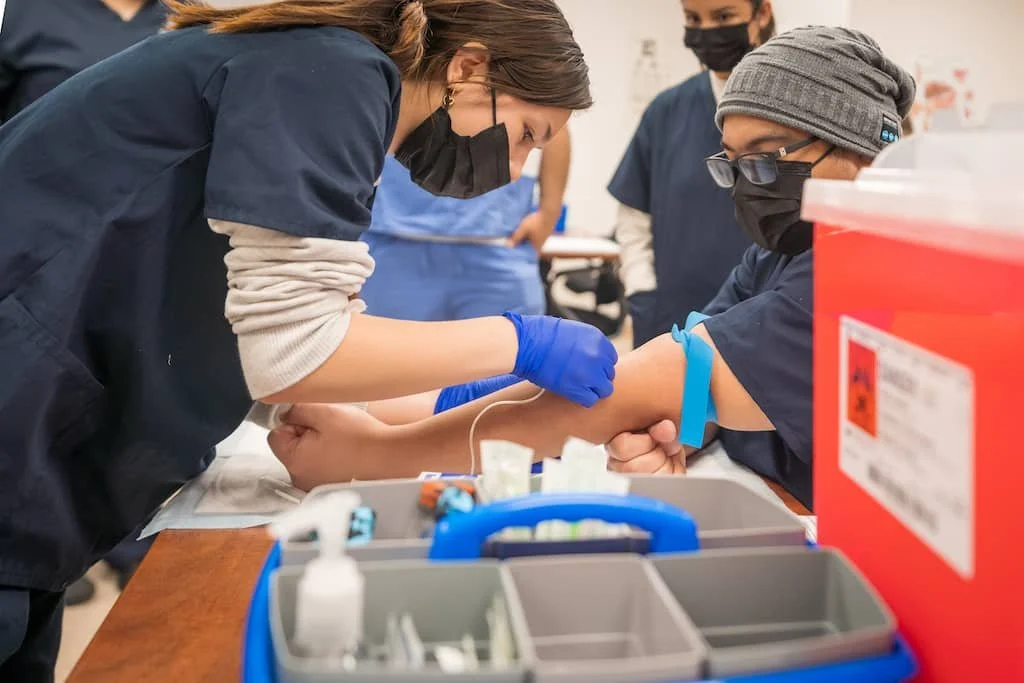
Role Of Pharmacogenomics In Drug Development
Pharmacogenomics is an emerging field in medicine that focuses on how an individual's genetic makeup affects their response to drugs. This innovative approach to healthcare has the potential to revolutionize drug development by allowing for more personalized and effective treatments. In this article, we will explore the role of pharmacogenomics in drug development and how it is shaping the future of medicine.
Pharmacogenomics In Personalized Medicine
Pharmacogenomics is a rapidly evolving field of study that focuses on how an individual's genetic makeup affects their response to drugs. By analyzing a patient's genetic information, healthcare providers can tailor treatment plans to be more effective and safer. This personalized approach to medicine is revolutionizing the way we treat diseases and manage patient care.
Pharmacogenomics Definition
Pharmacogenomics is a field of study that looks at how a person's genetic makeup affects their response to drugs. By analyzing an individual's genetic information, healthcare providers can better predict how a patient will respond to a particular drug, allowing for more personalized and effective treatment plans.
Pharmacogenomics
Pharmacogenomics is a field of study that combines pharmacology and genomics to develop effective and safe medications tailored to an individual's genetic makeup. By understanding how an individual's genetic variations impact their response to certain drugs, healthcare providers can personalize treatment plans to optimize outcomes and minimize adverse reactions.
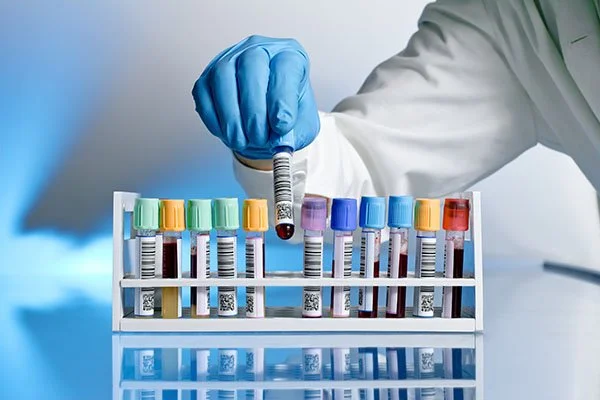
Importance Of Prenatal And Neonatal Screening For Early Intervention.
Prenatal and neonatal screening play a crucial role in identifying potential health concerns in unborn babies and newborns. Early detection of any abnormalities allows for prompt intervention, resulting in better outcomes for both the baby and the family. In this article, we will delve into the importance of prenatal and neonatal screening and how it can make a significant impact on the health and well-being of infants.
Interpreting Prenatal And Neonatal Screening Results
Interpreting prenatal and neonatal screening results can be an overwhelming process for expecting parents. Understanding the various tests, what the results mean, and what the next steps are is crucial for making informed decisions about the health of the baby. In this article, we will break down the different types of prenatal and neonatal screening tests, discuss how to interpret the results, and provide guidance on what to do if a test comes back abnormal.
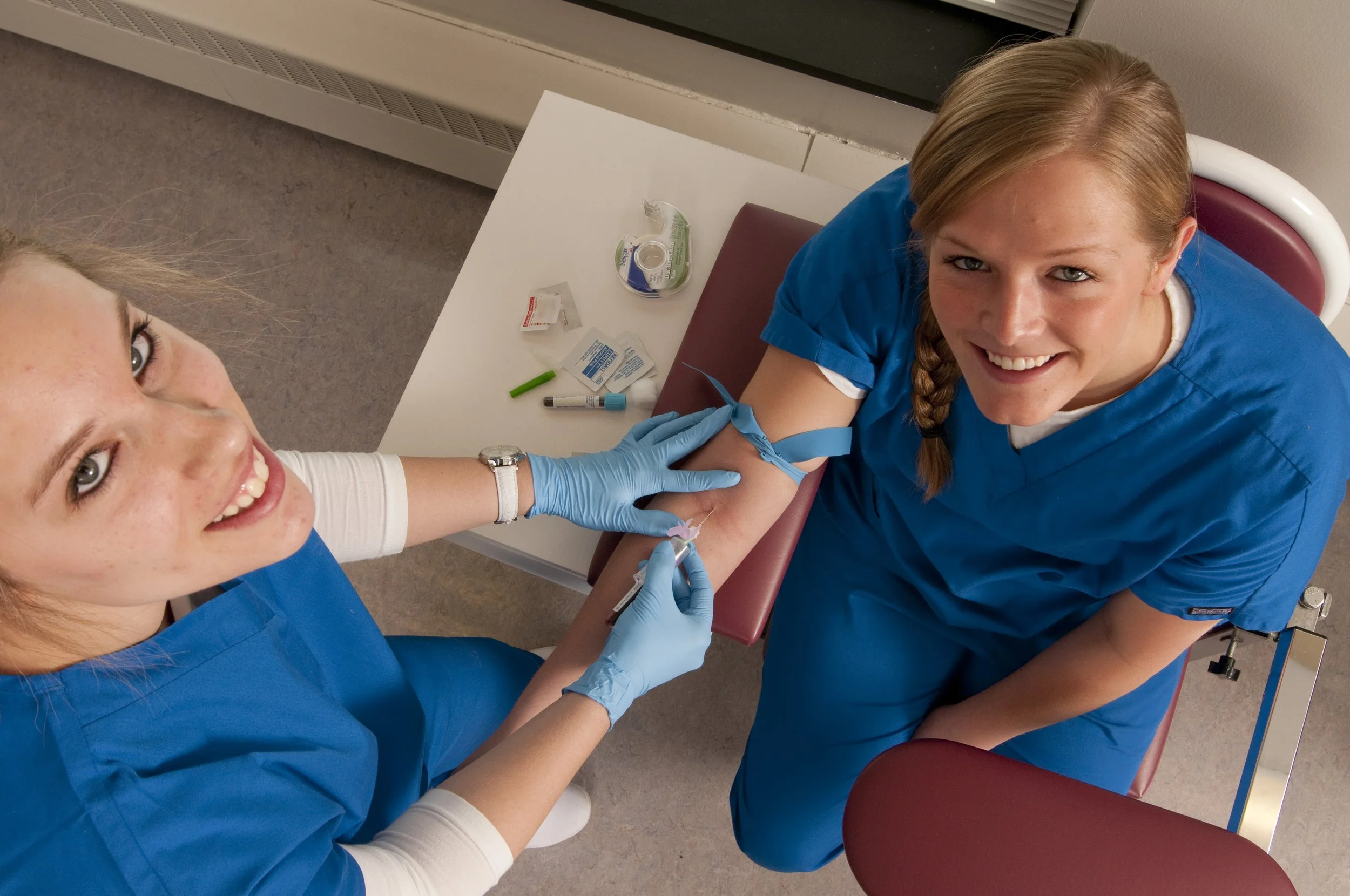
Detection Of Genetic Disorders Through Prenatal And Neonatal Screening
Genetic disorders are diseases caused by abnormalities in an individual's DNA. These disorders can have a significant impact on the individual's health, development, and overall quality of life. In some cases, genetic disorders can be detected through prenatal and neonatal screening, allowing for early intervention and treatment. In this article, we will explore the importance of detecting genetic disorders through screening during the prenatal and neonatal period.

Timing And Scheduling Of Prenatal And Neonatal Screening
Prenatal and neonatal screening are essential components of healthcare for expectant mothers and newborn babies. These screenings help to identify any potential health issues early on, allowing for timely intervention and treatment. However, the timing and scheduling of these screenings can vary depending on various factors, including the health of the mother, the gestational age of the fetus, and any risk factors that may be present. In this article, we will explore the optimal timing and scheduling of prenatal and neonatal screenings to ensure the best possible outcomes for both mother and baby.

Guidelines For Prenatal And Neonatal Screening
Prenatal and neonatal screenings are vital components of healthcare for expectant mothers and newborns. These screenings help identify any potential health issues that may affect the pregnancy, delivery, or the health of the baby. By following specific guidelines for prenatal and neonatal screenings, healthcare providers can ensure the well-being of both mother and baby. In this article, we will discuss the importance of prenatal and neonatal screenings and provide guidelines for healthcare providers to follow.
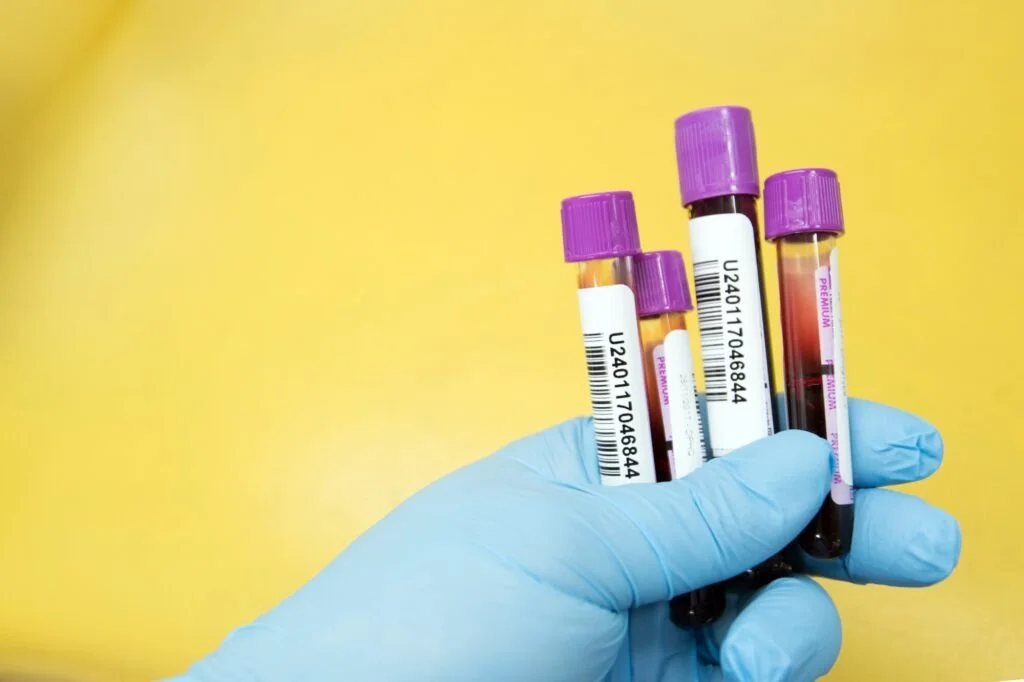
Benefits Of Prenatal And Neonatal Screening
Bringing a new life into the world is a beautiful and miraculous experience. However, ensuring the health and well-being of both the mother and the baby is of utmost importance. Prenatal and neonatal screening play a crucial role in identifying any potential health issues early on, allowing for timely intervention and treatment. In this article, we will explore the benefits of prenatal and neonatal screening in ensuring a healthy start for the baby.
Understanding The Prenatal And Neonatal Screening Process
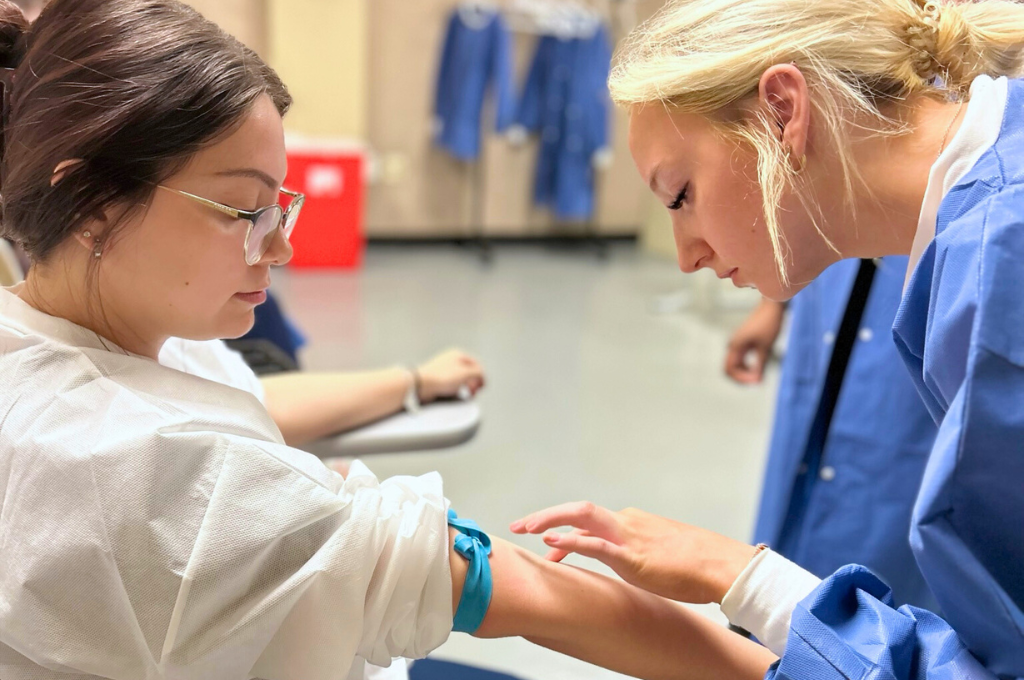
Prenatal and neonatal screening are important processes that help to identify any potential risks or health issues that may affect a baby either during pregnancy or shortly after birth. Understanding the screening process is crucial for expectant parents to ensure the health and well-being of their child. In this blog post, we will discuss the importance of prenatal and neonatal screening, the different types of screenings available, and what to expect during the process.
Risks Associated With Prenatal And Neonatal Screening
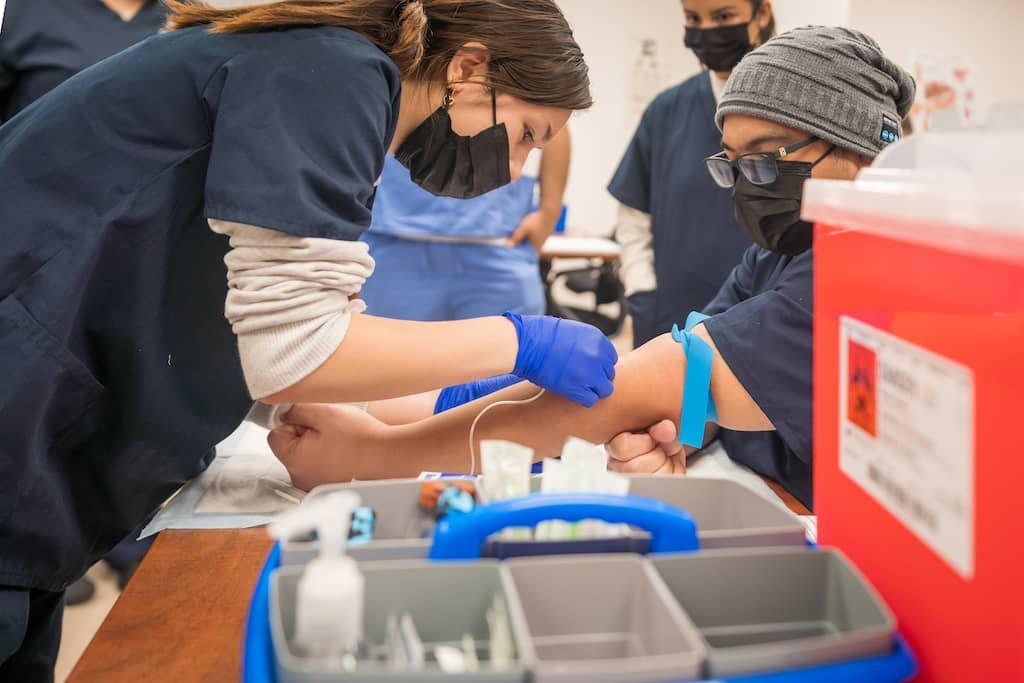
Screening tests during pregnancy and after birth play a crucial role in identifying any potential health risks or abnormalities in the fetus or newborn. These tests can help healthcare providers to take necessary steps to ensure the wellbeing of both the mother and the baby. However, it is important to understand that prenatal and neonatal screening tests also come with certain risks and limitations. In this article, we will discuss some of the risks associated with prenatal and neonatal screening.